Scrap Mechanic Building a Crane
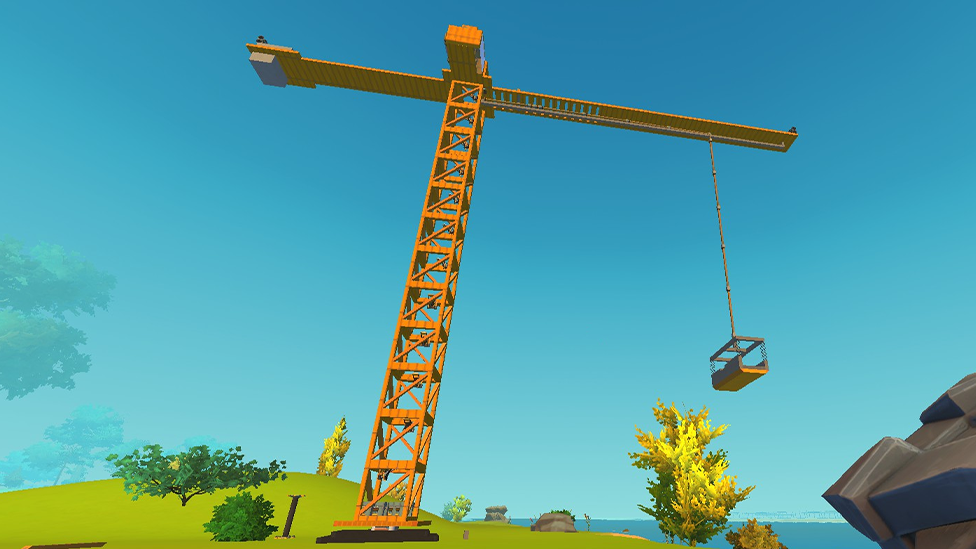
The Scrap Mechanic is a sandbox game that has managed to fascinate all players around the world with its dynamic building system. Building a Crane in a Scrap Mechanic is a very fun endeavour, where you can build a versatile lifting and moving machine. Scrap Mechanic is one of those games where building a crane isn't just about creating something that serves some sort of function but is also a chance to display your creativity, solve problems, and display your engineering capabilities in the game. This guide will have a full step-by-step process of building a crane, complex techniques utilizing advanced methods, how to solve problems, and how to modify and customize your crane. When you're done with this guide, you will have the skills to build your own reliable crane, and devise your own design solutions.
Getting Started: Scrap Mechanic Basics
Make Your Own Scrap Mechanic Server
Before we will start building a Scrap Mechanic crane, there comes knowledge of how objects in Scrap Mechanic's building system interact and what tools and components we will use.
Key Tools and Components
Connect Tool: Linked mechanical parts like bearings, controllers, and engines. Lift: It is essential to be able to place and adjust parts in construction. Bearings: They allow parts to be able to rotate and/or pivot. Controller: Provides programmable motion for bearings, opening the door to complex applications. Engines: Power the crane's moving parts. Raw power like gas engines, precision power control, and electric engines.
Planning Your Crane Design
Planning is an important step for building a functional crane. Determine what sort of crane you want to build to fulfill your objectives. Types of Cranes Fixed-Base Crane: Ideal for repetitive tasks in one fixed place. Mobile Crane: For mobility, are mounted on wheels, or tank tracks. Rotational Crane: With a pivoting base for wide-ranging capability.
Design Tips Balancing the functionality vs aesthetics. Using counterweights to make sure it is stable Think about your crane's designed load capacity and design accordingly.
A Step-by-Step Guide to Build a Basic Crane
Step 1: Assembling the Base First of all, have a good base that is substantial and not too narrow and not too wide because anything too wide will tip over. If you're building a mobile crane, use durable materials such as thin strips of wood that are secured evenly, front to back, and add wheels. Step 2: Adding the Vertical Structure Make a tall stable vertical arm. If desired, attach bearings at the base to allow rotation. Prevents the arm from bending under load. Step 3: Designing the Horizontal Arm and Counterbalance On top of the vertical structure add a horizontal arm. The crane's hook or grabber will be held by this arm. To keep in balance, attach a weight at the other end. Step 4: Controls and Rotations Mechanisms The arm's movements can be programmed using a controller. The engine can be used for powered movement, and bearings can be attached for rotation. Fine tune the controls and test. Step 5: Attaching a Grabber or Hook At the end of the horizontal arm add a mechanical grabber or hook. Use pistons for adjustable reach and use bearings for rotation. Make sure the hook can actually hold stuff securely.
Crane Building Advanced Techniques
Once you become comfortable with the basics, check out more advanced techniques, so you can continue to make your Scrap Mechanic crane both more functional and creative.
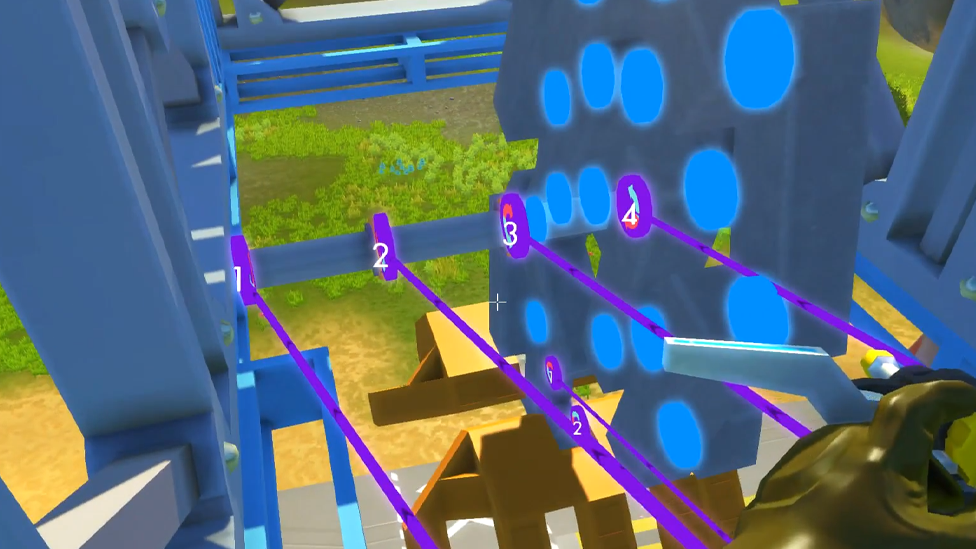
Using Controllers for Precision
Controllers in Scrap Mechanic enable you to program the way that bearings rotate, for example, 45 degrees in 1 second. For example, in complex crane operations such as this, precision is crucial. Adding Pistons for Extendable Arms The horizontal arm can be extended longer or retracted by pistons on the crane, thereby increasing its range. They use sensors to automate movement of pistons in an efficient way. Programming Rotational Movements By adding bearings with controller and logic gates, you can create smooth rotational movements. It is particularly good for rotational cranes.
Building a Mobile Crane in Scrap Mechanic
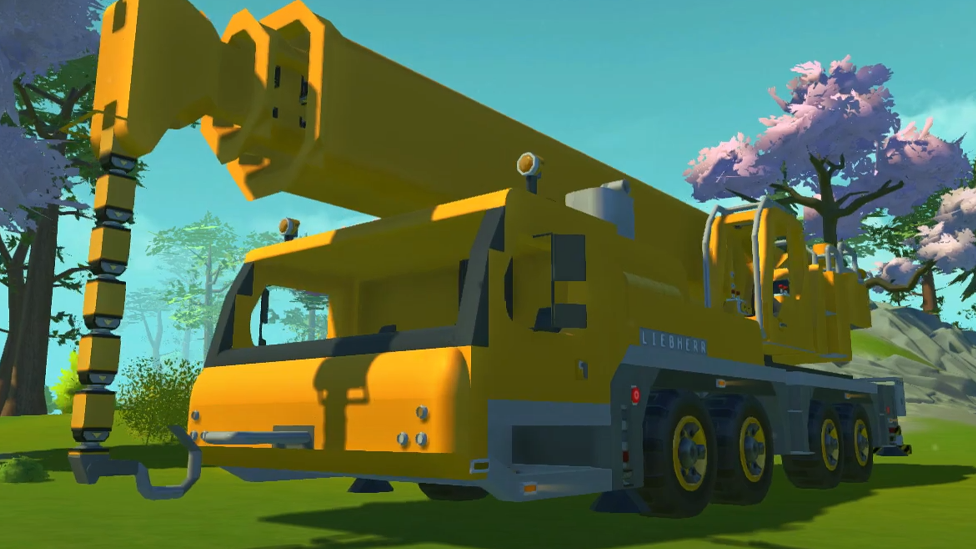
Mount the crane on a vehicle chassis. Use suspension components to enhance stability during movement. Add steering mechanisms for manoeuvrability. Common Crane Building Challenges and their Solutions Weight Distribution The use of counterweights will help in getting proper balance. Different loads can be used to test the crane to find tipping points.
Synchronization of Movements
Use multiple controllers to coordinate complex movements. Modify the engine speed for smooth operation. Engine and controller Tuning Electric engines are to be used for precise speed control. Try controller settings to get the desired motion.
FAQs
What tools must you have for building a crane in Scrap Mechanic?
The Connect Tool, Lift, Bearings, controller, and Engines (Gas or Electric) are key tools.
What is the formula for balancing my crane for stability?
You may use counterweights and make sure the base is wide and is sturdy. We test different load scenarios and optimize balance.
Can I automate my crane's movements?
Yes, with the right controllers, logic gates, and sensors. These can be programmed and automated precisely.
What mistakes are commonly made when building a crane?
Do not neglect the weight distribution, overload the crane, or use insufficient supports or reinforcements.
Conclusion
Building a crane in Scrap mechanic is an enjoyable and rewarding challenge to your creativity and engineering skills. The crane can become a functional and visually appealing enclosure for your Scrap mechanic gameplay by following through on this guide to machine enclosure design. Try more advanced techniques and customization to push your creations to the next level. Happy building! Do you want to share your creations with friends? Set up your server easily with Scalacube's Scrap Mechanic hosting services and have a smooth multiplayer ride.