Scrap Mechanic Building a Rover
Scrap Mechanic is a creative sandbox game that lets players build and design vehicles, machines, and structures. Rovers in Scrap Mechanic are one of the most interesting, practical creations and capable vehicles for exploration, gathering resources, and combat. In this guide we'll take you through all of the aspects of designing and building a rover in Scrap Mechanic so that your creation is as efficient, durable, and fits what you need as possible.
What is a Rover Scrap Mechanic?
Make Your Own Scrap Mechanic Server
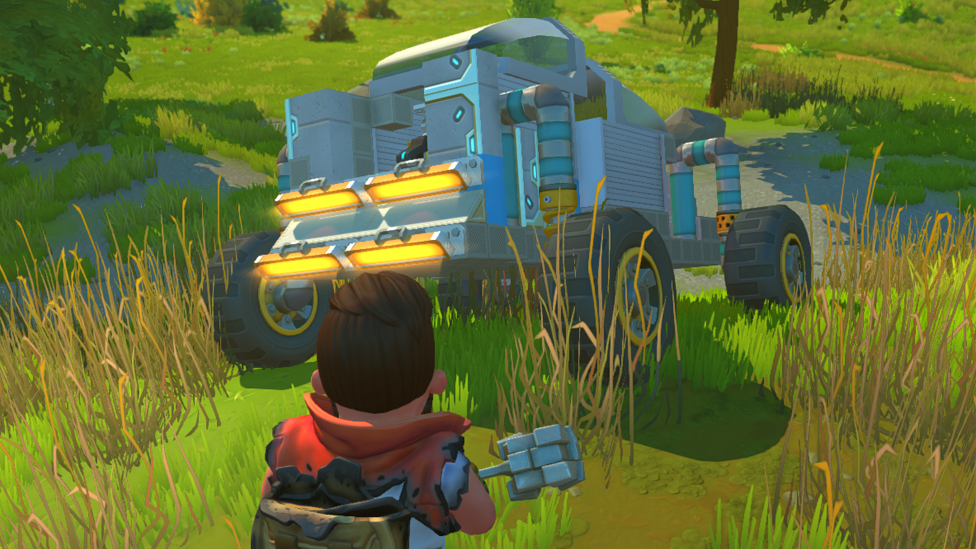
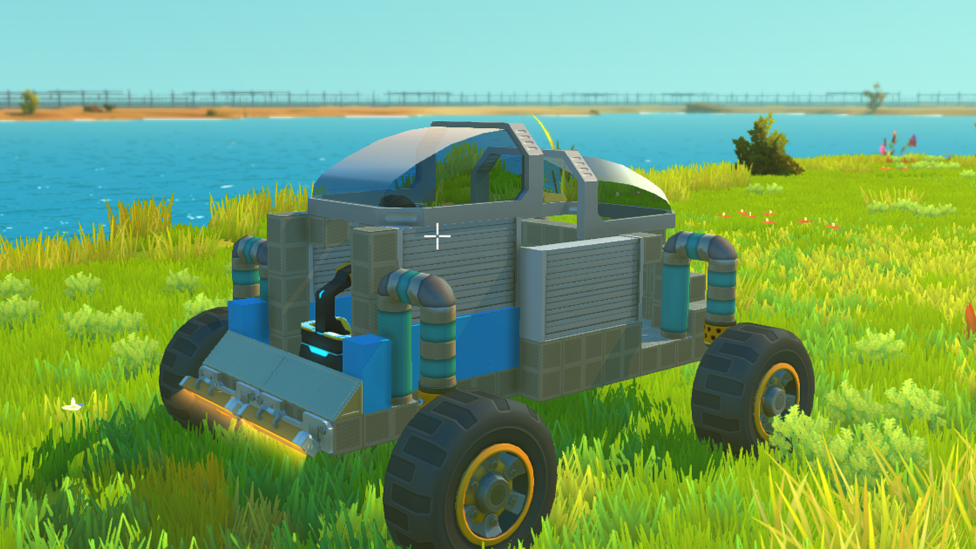
A Scrap Mechanic rover is a four wheeled, multi functional vehicle to navigate through rough terrain. Rovers are crucial for navigating the Scrap mechanic open world and collecting resources and defending against threats. They can be customized for specific purposes such as farming, combat or transportation.
Important features of a Scrap Mechanic Rover
Stability: With a well-balanced design of the vehicle, the traversal of uneven terrain becomes smooth. Durability: The rover's ability to withstand damage is dependent upon the materials and design they use. Efficiency: To improve fuel consumption and performance, lightweight and streamlined designs are preferred in their creation. Customizability: Drills, storage boxes, and weapons are add-ons that add further functionality.
Required Components for Building a Rover in Scrap Mechanic
In order to build a functional rover, you will need a handful of Scrap Mechanic's essential components and tools. Below are the necessary parts:
- Base Frame Your rover's base frame is its foundation. It decides the size, weight and balance of the vehicle. Use wood for light weight for early designs and metal blocks for more durable advanced models.
- Wheels and Suspension Movement is essential, and wheels are important to help us move. Suspension is important to let a vehicle adapt to rough terrains. According to your use-case and likings, you can choose from the following: Small Wheels: Designed for compact and lightweight designs. Large Wheels: For heavy-duty rovers. Suspension: Optimal terrain adaptation is available through "sport" or "off-road" options.
- Engines The speed and torque of your rover are determined by the engines powering your rover. There are two suitable options to choose from: Gas Engine: High-speed offers, perfect for lightweight rovers. Electric Engine: It provides consistent torque good for precision tasks.
- Steering Mechanism Bearings are installed on the front wheels in order to allow steering. Then connect them to a driver's seat and an engine for full control.
- Driver's Seat The rover can be controlled from the driver's seat. Advanced seats have control of attachments and have automated functions.
- Interactive Parts If you want to go a step further and enhance your rover, you can use the following components: Buttons and Switches: To activate drills, lights or storage systems. Logic Gates: For advanced automation. Storage Chests: For transporting resources.
- Power Sources Batteries: Power electric components. Gasoline: Fuels gas engines.
A Step-by-Step Guide to Building a Rover in Scrap Mechanic
Step 1: Planning and Designing
First, you need to visualize what you're going to use your rover for. Sketch out a rough design in your mind and consider the following: Dimensions: Decide on the rover's size. Purpose: Decide if it's for exploration, combat, or farming. Terrain: Pick wheels and suspension depending on what environment you expect. Step 2: Assembling the Base Frame Place blocks using your Lift Tool and make a rectangular base. Make sure the base is symmetrical to keep a good balance Simulate weight distribution with blocks and test the frame. Step 3: Adding Wheels and Suspension Put the bearings that steer on the sides of the frame. Attach wheels to the bearings and rotate to see if they move correctly. Lastly, you can add suspension for smoother rides. Step 4: Installing the Engine Put a gas or electric engine on the base. You can connect the engine to the wheels using a Connect Tool. Balance speed and torque by adjusting the engine's power levels. Step 5: Steering and Controls Connect a driver's seat to the bearings and attach it. Test steers and, if necessary, make adjustments. Step 6: Adding Functional Add-ons (Optional)
You can improve your Scrap Mechanic Rovers ability by adding the following add-ons: Drills or Saws: For resource collection. Storage Chests: For carrying materials. Weapons: For defense against bots such as haybots or totebots. Step 7: Testing and Refining Test the rover on different terrains. Weight distribution, power levels, and suspension can be adjusted. Stronger materials can be used to reinforce weak points.
Advanced Tips for Building Efficient Rovers in Scrap Mechanic
- Optimize Weight Distribution Make sure the center of gravity is low and centered so it won't tip over.
- Use Compact Designs The smaller footprint makes the unit more maneuverable in tight spaces.
- Add Defensive Features Metal plating or shields should be incorporated to protect from enemy attacks.
- Modular Attachments Experiment Addons can be designed to be detachable, allowing mining tools or plows, for example.
- Automation with Logic Systems You can also use logic gates and sensors to automate tasks such as opening storage or turning on lights.
FAQs
I am able to maneuver my rover around even terrain, but it can't seem to stabilize on uneven terrain.
You can stabilize your rover by using off-road suspension, a wide wheelbase, and a low center of gravity.
What is the most suitable engine when building a rover?
For speed, use a gas engine. Whereas, an electric engine is perfect for precision tasks.
How do I protect my rover from being damaged?
You should use metal blocks and add protective shields.
How can I make my rover better and more versatile?
Include modular features such as drills, storage chests, or detachable trailers for adaptability.
Conclusion
It's a creative, engineering, and strategic planning work to build a rover in Scrap Mechanic. If you understand the essentials, design with purpose, and refine your builds you can make a rover that is an excellent explorer, resource collector, and a combatant. A good rover is needed whether you're crossing rough terrain or fending off enemies.
Scalacube is the place to trust Scrap Mechanic server hosting solutions for seamless multiplayer gameplay. They are reliable services that guarantee you a smooth, lag-free experience with friends and collaborate on your rover-building adventures.