Scrap Mechanic Building a Boat
Boat building is a fun and exciting activity in Scrap mechanic. In this multiplayer sandbox game, players can build a variety of vehicles and structures using a great selection of parts and materials. This in-depth guide will cover the building blocks of boats, the mechanics of floating, engines, and ways to get the most out of your boat. This guide is meant for everyone. If you're a novice or an experienced player, this should cover everything you need to know about creating a functional and nice-looking boat in Scrap Mechanic.
What You Should Know About Boat Building Basics
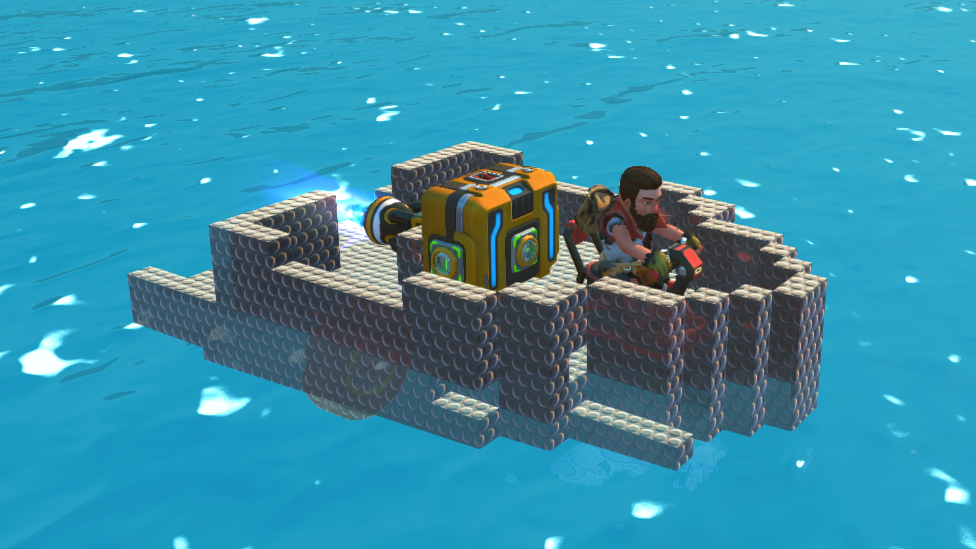
Make Your Own Scrap Mechanic Server
Before we load you deep into the specifics of how to create a boat in Scrap Mechanic, there are some basic fundamentals of building a vehicle in Scrap Mechanic that you should be aware of first. The physics engine that the game is built upon simulates real-world physics, so players need weight distribution, buoyancy, and propulsion when designing their ships. To be successful, a boat needs to float on water while being stable to travel, without tipping over on the slightest current or breeze. In Scrap mechanic, choosing suitable materials for building something is the first step. Players can choose from various blocks, including wood, metal, and plastic. Each material also has its own properties (weight and durability). In construction of boats lighter materials are generally better because they contribute to buoyancy.
Choosing the Correct Components
When building a boat in Scrap Mechanic, you need a few key components for it to work. These include:
- Floats: With floats you ensure your boat will stay afloat. Large blocks or specialized floatation devices used in the game are what many players use. The buoyancy of the vessel is determined directly by the arrangement and number of the floats.
- Propulsion System: In order to move your boat through water you need an effective propulsion system. The fuel or glowbugs are used for thrusters or engines for propelling. How fast you want to travel will dictate what propulsion you use, and how much budget you have available.
- Steering Mechanism: Manoeuvrability is very dependent on steering. Bearings attached to the steering wheel can be used, or alternatively, rudders that can rotate in the water. It gives better control when sliding through waves or by avoiding obstacles.
- Chassis: The chassis is the bones of your boat. On the one hand, it needs to be strong enough to carry all components around, and on the other hand, light enough that it is easy to carry. Scrap Mechanic Players may make a rectangular or catamaran frame for stability.
- Decorative Elements: You don't need them to function, but they can make your boat look pretty. Paint and varied blocks can be used by players to be able to customize their vessels.
How to Build Your Boat Step by Step
To build a basic boat in Scrap Mechanic, follow these steps: Step 1: Create the Chassis First, lay down the chassis using lightweight blocks. Once you get the hang of it, beginners are often happiest with rectangular shapes, but experimenting with other shapes may create new and unique designs. Make sure that the chassis is symmetrical to help maintain balance on water. Step 2: Add Floats Evenly float attaches along both sides of the chassis. The more floats you have, the better the buoyancy will be, but that will depend on your design. When placed in water, make sure they are firmly secured and should be down below water line. Step 3: Install propulsion Pick your propulsion mechanism relying upon your coveted speed and accessible assets. When using thrusters, put them in the very back of the boat that they are facing away from you (rather than toward you). Engines powered by glowbugs and fuel must be connected correctly to power. Step 4: Implement steering Fit a steering mechanism, at the front of your boat. It could be just some kind of wheel that pivots on bearings, or some more complicated rudder thing that swivels in response to player input. Step 5: Test Your Boat When you have installed all the components, it's time to put your creation in the water and test it. Put it into your boat and launch it, and see how it stands with you on speed and, of course, stability. Adjust as needed with more floats, or modify propulsion system.
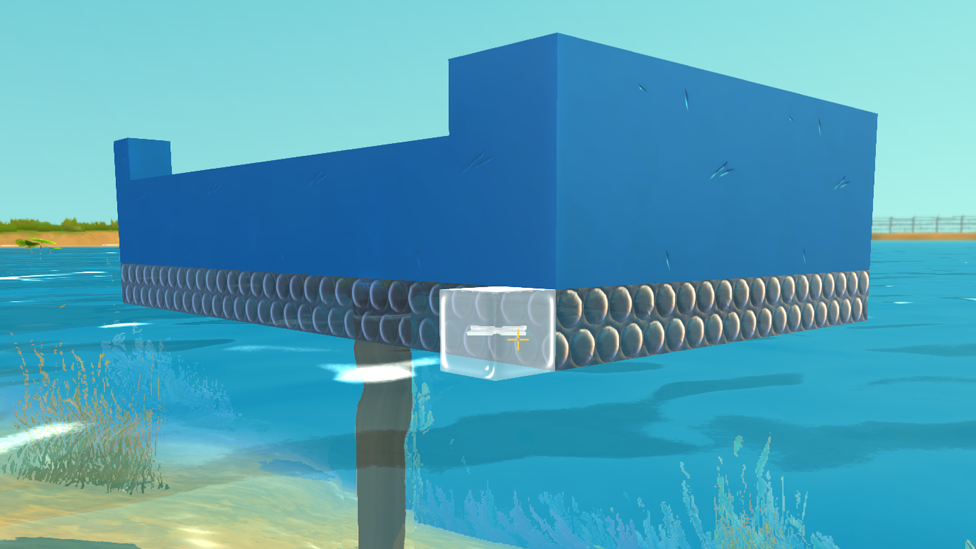
Understanding Buoyancy
One of the most important instructions, as you're building boats in Scrap Mechanic, is that of buoyancy. If an object is submerged in the water, it's an upward force in the water that counteracts the pull of gravity. If the weight of a boat is more than the weight of the water it displaces, the boat will not float successfully. The question is how much of your boat's total weight (including everything on and in it) will be counterbalanced (you don't want to sink) by the amount of water it displaces (floats on). If your design is too heavy for its size, it will sink, so a weight distribution balance is necessary.
Enhancing Performance
Once you've built a basic boat, you should implement some optimization techniques to improve performance further. Here are some strategies:
- Optimize Weight Distribution: The stability should be kept in mind at all times, by putting heavier components towards the bottom of the hull and lighter components on the top.
- Experiment with Shapes: As far as hull goes, it's bound to be different shapes that can impact the speed, manoeuvre on the water and its overall ability to cut through waves. Try out different designs to see what works best for your play style.
- Use Multiple Propulsion Sources: If your boat is on the larger size or made for speed, look into using multiple engines or thrusters’ side by side for added power.
- Add Features: If your plan includes long trips, then incorporate additional features like storage compartments for resources or even living quarters.
- Test Different Environments: The way your boat works can vary with different bodies of water, and testing in different conditions can help find problems in design.
FAQs
What is the best material to use when building a boat?
Through the use of lightweight materials like wood or plastic, buoyancy is increased as well as structural integrity.
How do I make sure my boat floats?
Make sure your total weight is not greater than the weight of the water displaced by the volume of your vessel; an adequate number of floats will help balance this out.
Can thrusters be used for propulsion?
Yes! One of the most effective ways of propelling boats through water is with thrust, as long as you get the placement of the thrusters right for maximum thrust.
What if my boat tips over?
Rethink your design and make sure your weight distribution and component placements will prevent tip over by adding extra floats or redistributing the floats.
Conclusion
Players can create boats in Scrap Mechanic, unpacking complex physics and engineering principle mechanics in order to bring their boat dreams to fruition. With an understanding of the basics like buoyancy and propulsion systems, players can build vessels more than just float; they will actually be able to navigate in different environments. If you want to make your Scrap Mechanic experience even better, you and a group of friends can do so by playing a Scrap Mechanic server with Scalacube services to host a server yourself and build together!