What Is the Loom in Stranded Deep
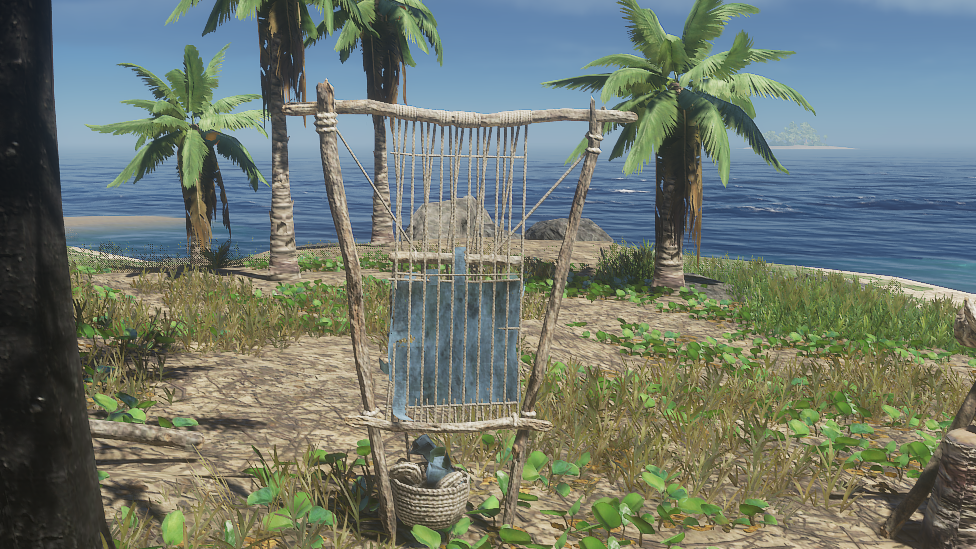
The loom is one of the most crucial crafting stations in Stranded Deep, where existence depends on creating necessary equipment and materials. Players can create advanced items like bandages, sailcloths, and other survival necessities by using the loom stranded deep to generate cloth. Understanding how to produce and operate the loom stranded deep is very essential, whether you're assembling supplies to build a shelter or getting ready for prolonged exploration. Scalacube's dependable servers guarantee uninterrupted gameplay for players taking part in online adventures, which enhances the fun of teamwork when crafting and harvesting resources.
The significance of the loom in Stranded Deep is explained in this article, along with how to make loom in stranded deep and use it to improve your survival tactics.
Why Is the Loom Important?
Make Your Own game Server
In Stranded Deep, the loom is an essential component that enables players to create cloth—a material that is not found in nature. Cloth is needed for several things, such as making sleeping bags, bandages, sailcloth, and water stills, all of which are vital for long-term survival.
Players would find it difficult to get cloth without the loom, which would really hinder their ability to progress in the game. Gaining proficiency in the loom's construction and use in Stranded Deep will guarantee a consistent flow of this adaptable resource, which would really increase your chances of surviving.
How to Make the Loom in Stranded Deep
You'll need certain supplies and access to your crafting menu in order to craft the loom in Stranded Deep. To begin, take these actions:
1. Compile the necessary supplies
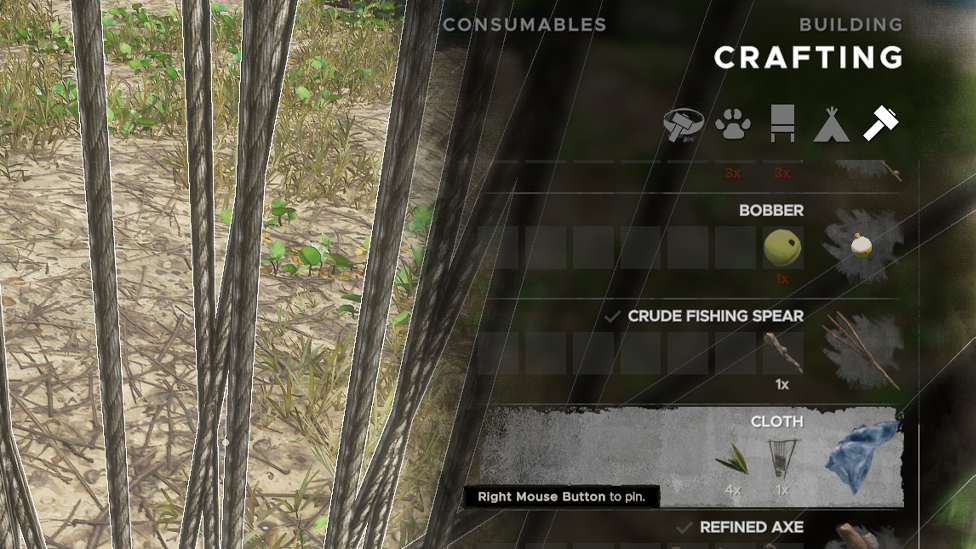
Gather the following supplies to construct the loom: Six sticks: You can make these by cutting down palm trees or find them on the ground. Four lashings are made from fibrous leaves that are harvested from palm seedlings or yucca plants. Before starting the crafting phase, make sure you have all the supplies available.
2. Go to the Crafting Menu.
After obtaining the necessary supplies, take the following actions: Press the corresponding key or button to bring up the crafting menu. Choose the loom stranded deep and set it up in a suitable spot on the island. Well done! The loom in Stranded Deep has been successfully constructed by you.
How to Use the Loom in Stranded Deep
Once the loom is built, using it in Stranded Deep is simple. Its main purpose is to turn fibrous leaves into cloth. This is how to utilize it:
- Gather enough fibrous leaves from palm saplings or yucca plants.
- Go to the crafting menu and walk up to the loom.
- Choose "Cloth" and use the fibrous leaves to create it.
- To create enough cloth for your crafting needs, repeat this process as necessary.
Tips for Maximizing the Loom’s Efficiency
In Stranded Deep, the loom is an invaluable tool, and making good use of it guarantees that you're always ready. Here are some pointers:
- Keep Fibrous Leaves in Stock: During each development cycle, collect as many fibrous leaves as you can because Yucca plants revive after a few in-game days.
- Strategic Location: To cut down on travel time when making cloth, position the loom close to your base.
- Make a plan: Create several pieces of cloth at once to prevent running out when you need them for important tasks like creating bandages or a water still.
Maximizing Survival with the Loom
There are more chances to strengthen your survival plan when the loom is stranded deep in your crafting arsenal. To make the most of it, follow these steps:
- Make Water Stills: Construct water stills, which need cloth as a crucial component, to guarantee a consistent supply of fresh water.
- Get Ready for Emergencies: Make bandages to cure wounds so you're prepared for any unforeseen shark or other hazard encounters.
- Extend Your Research: You can build rafts and visit more islands quickly by using cloth to make sailcloth. You can really improve your chances of surviving and thriving in the difficult world of Stranded Deep by incorporating the loom into your crafting regimen.
Enhance Your Multiplayer Experience with Scalacube
Scalacube offers high-performance hosting services for games like Stranded Deep to maximize the multiplayer experience. Scalacube's minimal latency, round-the-clock uptime, and adjustable settings guarantee fluid gameplay and easy friend collaboration.
Strong security features on Scalacube's servers guarantee the safety of your data and gaming. Scalacube allows you to concentrate on living and thriving as a team, whether you're assembling resources or developing weaves. Scalacube is the ideal option for fans of Stranded Deep since it offers dependable and continuous gameplay.
FAQs
In Stranded Deep, how is the loom made?
Gather six sticks and four lashings, then use the crafting menu's crafting stations section to create the loom.
What is the loom's main purpose?
Fibrous leaves are woven into cloth on the loom. Making things like sleeping blankets, water stills, and bandages requires cloth.
Is it possible to move the loom?
No, the stranded deep loom cannot be relocated once it is in position. Prior to placing it, pick a key spot close to your base.
What role does clothing have in Stranded Deep?
A versatile resource, fabric is utilized to make sailcloth, water stills, and sophisticated tools—all very essential for exploration and survival.
Conclusion
In Stranded Deep, the loom is a vital tool for making cloth, which is a resource needed for long-term survival. You can guarantee a consistent supply of cloth for your crafting requirements by assembling the required supplies, building the stranded deep loom, and operating it efficiently.
The loom is a vital item for any survival kit, whether you're making sailcloth, bandages, or water stills. Additionally, Scalacube's servers offer a very dependable environment for smooth exploration and cooperation for players who prefer multiplayer gaming.
It takes planning, strategy, and the appropriate equipment to survive in Stranded Deep. To ensure your success in this difficult journey, give the stranded deep loom first importance.