Stranded Deep Tree Guide
So many people will see most tropical islands as places where only sand, crabs, fish, and water are found. However, the flora, particularly the trees, is just as critical a feature in stranded deep islands. Trees are very essential for players' survival. Trees provide essential resources, making them indispensable for crafting, building, and staying alive. This guide covers the three main tree species in the game Palm Trees, Ficus Trees, and Pine Trees and explains how to maximize their benefits. It also covers how to use plank stations Stranded Deep.
Palm Trees
Make Your Own game Server
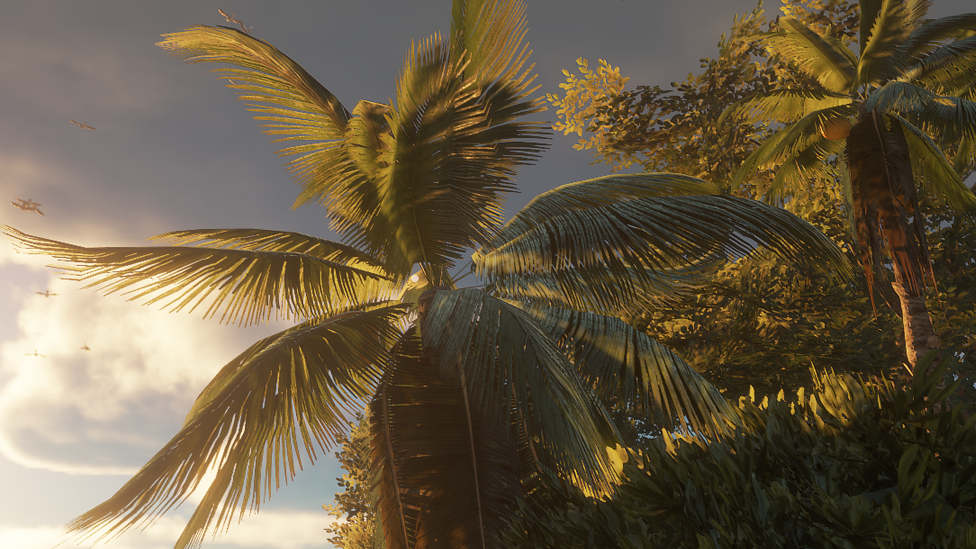
Palm trees are the most iconic and versatile trees in Stranded Deep. These small-sized trees are abundant across islands and provide several vital resources, such as: Coconuts:
- They are found growing at the top of palm trees or on the ground close to palm trees. They are an excellent beginner-friendly source of food and water.
- Hit a coconut to break it open and have access to drink the liquid. Continue hitting it to split it into two halves. This will make it easy for you to eat the content inside.
- You can collect coconuts by climbing a palm tree. You can also cut it down or use tools like arrows or spears to knock them down. Wood Logs:
- Palm Trees yield wood logs, which can be converted into planks at Stranded Deep plank stations or cut into four wood sticks.
Palm Fronds
Palm fronds are found at tree tops and can be used to craft shelters, water stills, or fuel campfires. To harvest Palm Trees, you’ll need tools like crude axes, refined axes, knives, stone tools, or machetes, though crude and refined axes are the most efficient. Each tree typically provides 1–4 logs and one palm top. Palm Trees do not regrow after being cut down. Since their resources are finite, managing them is crucial for long-term survival.
Ficus Trees
Ficus Trees are smaller trees found on islands, and they primarily provide wood sticks. Each tree yields 2–4 sticks, which are essential for crafting weapons, building structures (like raft parts), or fueling campfires.
- Ficus Trees can be chopped down using crude axes, refined knives, machetes, or other tools. However, crude and refined axes are the most efficient options.
- The time it takes to cut down a Ficus Tree depends on your tool and harvesting level. Like Palm Trees, Ficus Trees do not regrow after being cut down. Use their resources sparingly.
Pine Trees
Pine Trees are another tree species in the game, but they are purely decorative. Unlike Palm and Ficus Trees, Pine Trees cannot be chopped down and do not provide any resources.
How to Use the Plank Station in Stranded Deep
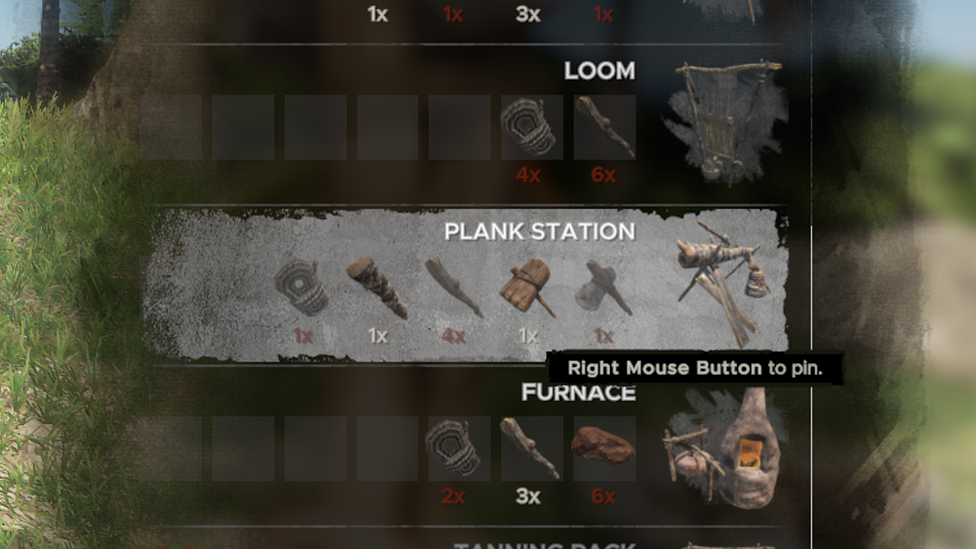
The Stranded Deep plank station is a valuable crafting tool. It allows you to convert wood logs into planks, which are crucial for building advanced equipment and structures. Here's a step-by-step guide on how to craft and use Stranded Deep plank stations.
To create a Stranded Deep plank station, you’ll need the following materials:
- 1 Refined Axe
- 1 Crude Hammer
- 4 Wood Sticks
- 1 Wood Log
- 1 Lashing Follow these tips while gathering resources:
- Avoid breaking down logs into sticks until you’ve crafted the Plank Station.
- Use the crafting menu to assemble the Plank Station once all materials are collected.
Using the Plank Station
Planks are versatile materials used for building advanced items, structures, and rafts. How to use plank station Stranded Deep is a vital addition to your survival toolkit. Once the Stranded Deep plank station is crafted, you can use it to create planks. Here is how it's done:
- Place a wood log in the station.
- Open the crafting menu and select the plank option to convert the log into a plank.
Do Trees Grow Back in Stranded Deep?
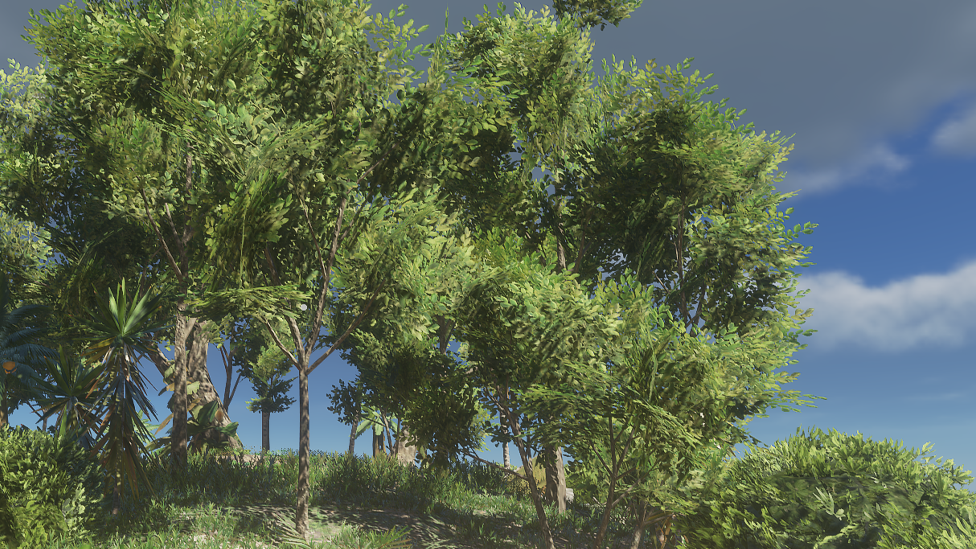
A common question among players is whether in stranded deep, do trees grow back? The answer is no, trees including Palm and Ficus Trees, do not grow back after being cut down. This means that resources like coconuts, wood logs, and sticks are limited.
To ensure you don’t run out of essential materials, follow these simple tips:
- Harvest resources only when needed.
- Prioritize building a sustainable setup, such as farms and water stills. This will help reduce dependence on tree resources.
- Use tools efficiently to maximize yields and minimize resource waste.
Using Reliable Servers Makes Things Easy
Scalacube offers the best game servers because of their vast feature set at competitive costs. With their 50% first-month discount, you won't find another high-quality game server provider. But that's not all; ScalaCube provides global game servers. You will, therefore, receive the same high-quality service wherever you are. However, if you don't regularly back up your servers, you could lose all of your data.
Whereas other servers need you to perform backups independently, ScalaCube automatically encrypts your data, preventing any data loss. Their services are trustworthy and reliable. Do you have a question, or are you having problems with your online server? Speak with one of the experts; they are available seven days a week, twenty-four hours a day.
FAQs
What Resources Do Palm Trees Provide in Stranded Deep?
ToPalm Trees produce coconuts (food and water), wood logs (for planks or sticks), and palm fronds (for crafting shelters, water stills, or campfire fuel).
In Stranded Deep, Do Trees Grow Back After Being Cut Down?
No, trees such as Palm and Ficus Trees do not regrow once cut down, making their resources finite.
What Materials Are Needed to Craft a Plank Station?
To craft a Plank Station, you need one refined axe, one crude hammer, four wood sticks, one wood log, and one lashing.
What Is the Purpose of the Plank Station in Stranded Deep?
The Plank Station allows players to convert wood logs into planks, which are essential for building advanced equipment, structures, and rafts.
Conclusion
By understanding the role of trees and how to use plank stations stranded deep effectively, you can significantly improve your survival experience in Stranded Deep. Managing finite resources and planning for long-term sustainability is key to thriving on your tropical island. That’s it, adventurers! To learn more about surviving the harsh terrain in Stranded Deep, visit our blog section and read similar guides.