How to Fix Broken Bones in Stranded Deep
How to Heal in Stranded Deep is vital since there is a plethora of negative buffs that happen to players in the game. One particular nasty affliction is broken bones, and players usually get this sickness after falling from a great height; hearing the accompanying snap.
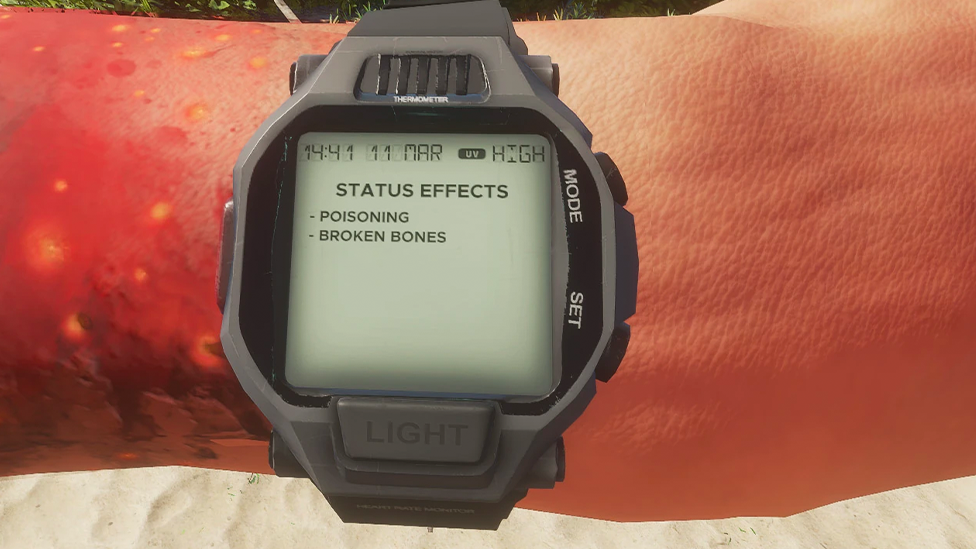
It is not hard to notice with all the visual and auditory cues, which include limping and your character being twisted out of shape whenever they check their watch. This harmful affliction is debilitating, so players must find a way to cure it as soon as possible. In this guide, we look at how to fix broken bones in Stranded Deep as well as Stranded Deep how to heal.
Why Healing Is Essential in Stranded Deep
Make Your Own game Server
In the harsh survival environment, knowing how to fix broken bones in Stranded Deep is a critical aspect of gameplay. Players encounter various negative status effects, all of which require specific remedies. Broken bones are particularly problematic as they limit mobility and cause gradual health deterioration. Addressing these issues is vital to staying alive and exploring effectively.
What Causes Broken Bones?
Broken bones occur as a result of a player falling from a significant height or an unstable base structure. The moment this happens, you’ll hear a distinct snapping sound. This sound is accompanied by visual cues like your character’s leg appearing twisted. Additionally, your character will limp and suffer from several negative effects. This status effect is indefinite, meaning you’ll need to actively cure it to regain full functionality.
Symptoms and Effects Of Broken Bones
Once you have a broken bone in Stranded Deep, how to heal is a priority. You are likely to notice these systems and their effects on your players: Visual Symptoms:
The left leg appears twisted, and your character limps.
Health Deterioration:
Health, hunger, and thirst bars gradually deplete at 0.5% per second.
Movement Issues:
Jumping causes additional damage, making navigation challenging.
Fixing Broken Bones With The Use Of Splint
To heal broken bones, you’ll need to craft and use a splint. The splint is a consumable item that eliminates the negative effects of broken bones, restoring your ability to move freely. For you to be able to fully make use of a splint, you must have knowledge of the steps stated below:
Materials Needed for a Splint
- Two Lashings: Crafted from Fibrous Leaves found on palm saplings or yucca plants. Fibrous Leaves are abundant and regenerate, making lashings relatively easy to craft.
- Two Sticks: Collected from trees, driftwood piles, or by cutting logs and Ficus trees with tools.
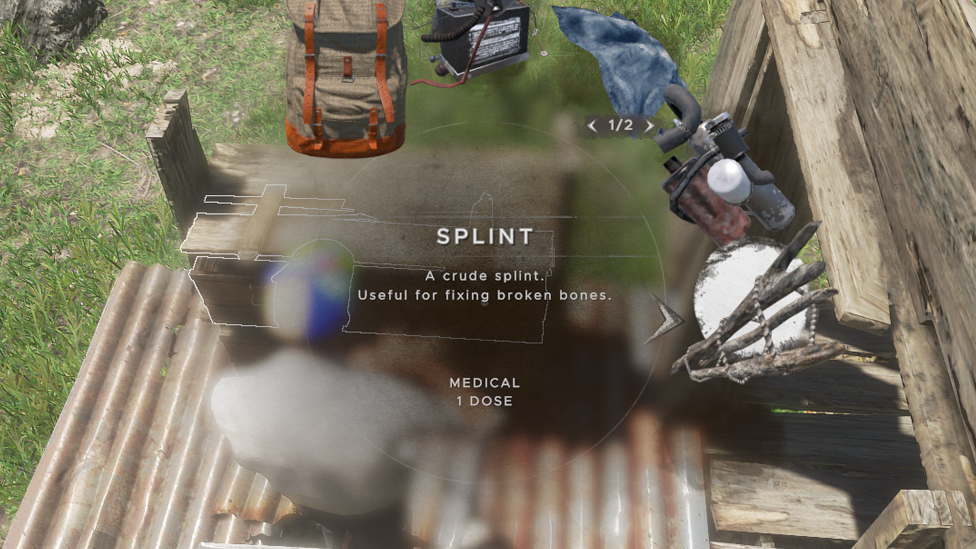
Crafting the Splint
- Open the crafting menu.
- Navigate to the Consumables section.
Select the splint and craft it using the gathered materials.
- Applying the Splint
- Equip the splint like any other item.
- Click on the left mouse button (or right trigger on consoles) to use it.
- A short animation will play as your character applies the splint.
- The broken bones status effect is immediately cured.
Proactive Tips for Dealing with Broken Bones
Dealing with broken bones has a lot to do with being prepared in Stranded Deep, how to heal, and avoiding incidents that may lead to breaking a bone.
- Carry Materials: Always have at least two lashings and two sticks in your inventory or nearby storage. This ensures you’re prepared to craft a splint quickly if an accident occurs.
- Avoid Risky Heights: Be cautious when climbing trees, exploring cliffs, or constructing elevated structures. Falling is the primary cause of broken bones.
- Build Strategically: When constructing bases, ensure ladders and platforms are stable to prevent accidental falls.
Why Healing Matters
In Stranded Deep, how to heal isn’t just about surviving; it's about thriving. With a healthy character, you can:
- Explore distant islands and uncover hidden treasures.
- Gather essential resources without interruption.
- Build advanced tools, structures, and vehicles. Ignoring ailments like broken bones can result in gradual health loss, leading to death if left untreated.
Using Reliable Servers Makes Things Easy
Scalacube offers comprehensive game server customization with complete FTP access, allowing users to connect via their web app or their own application. Unlike other hosting services, Scalacube provides a choice between SSD and HDD storage. SSD ensures loading speeds are ten times faster, while HDD is a more budget-friendly option. Scalacube platform features a seamless control panel and billing system, providing unlimited player slots and robust security protocols without the hassle of multiple credentials. Finally, Scalacube stands out for its competitive pricing, including a 50% discount on the first month, making it an excellent choice for affordable game server hosting.
FAQs
What Are Broken Bones in Stranded Deep, and What Causes them?
Broken bones in Stranded Deep are a status effect that occurs when a player falls from significant heights, such as cliffs, trees, or unstable base structures. The moment a player sustains this injury, they hear a distinct snapping sound, and the character’s leg appears twisted.
How to Fix Broken Bones Stranded Deep and What Tool Is Required?
To fix broken bones, players must craft and use a splint. Crafting a splint requires two lashings made from Fibrous Leaves found on palm saplings or yucca plants and two sticks collected from trees, driftwood, or logs.
How Can Players Prevent Broken Bones in Stranded Deep?
Preventing broken bones involves cautious gameplay. Players should avoid climbing unstable structures, exploring high cliffs recklessly, or jumping from trees. Strategic base building with stable platforms and ladders also minimizes risks.
Conclusion
Healing in Stranded Deep, particularly addressing broken bones, is a vital survival skill. By understanding the causes and effects of injuries and proactively crafting remedies like splints, you’ll ensure your survival in this challenging environment. Remember to stockpile essential materials like lashings and sticks, avoid risky heights, and act quickly to treat ailments. With these strategies, you’ll navigate the vast ocean and its many dangers with confidence.