Scrap Mechanic Gasoline
Scrap Mechanic is a fun sandbox game where players can create endless things using various tools and resources. Of all these resources, gasoline is key to powering up vehicles and machinery. In this detailed guide, we will explore everything you need to know about gasoline in Scrap Mechanic, its uses, how to craft it, store it, and optimize it.
What is Gasoline in Scrap Mechanic?
Make Your Own Scrap Mechanic Server
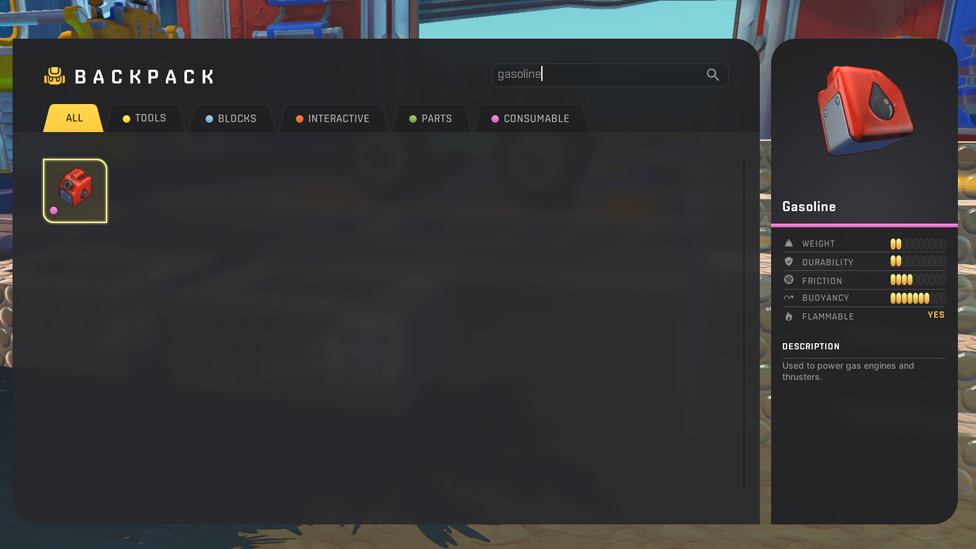
Scrap Mechanic's primary fuel resource for operating engines and mechanical creations is gasoline. It is the lifeline for vehicles, the ability to move and function for your players' builds. Without a supply of gasoline, motors and thrusters are useless, making gasoline an important supply for players trying to explore and interact with the game's large world.
How to Craft Gasoline
Gasoline is created in Scrap Mechanic using the right materials, and doing so requires a Craftbot, one of the main crafting machines in the game. Usually, we need crude oil, found in oil patches underwater, and chemical components to make the recipe for gasoline. To acquire these resources, Scrap Mechanic is abundant with them, but players need to go somewhere special to collect them. To start crafting gasoline, Scrap mechanic players must ensure they have access to Craftbot. Basic crafting recipes are possible with basic craftbots. However, the upgraded versions can process the same crude oil faster and more efficiently. Once we have gathered the necessary materials, we can move them into the Craftbot, select the gasoline recipe, and begin production. Gasoline can only be crafted using one specific batch when it is done with a fuel pump, so efficient crafting and collection of this resource are vital for the player's long-term Scrap Mechanic gameplay.
Where to Find Crude Oil and Chemicals
Most crude oil used to make gasoline is found in underwater oil patches. Such patches are found in shallow bodies of water or near shorelines. Equipping a vacuum pump or a manual collection tool can help you harvest crude oil. You want to explore these areas early in the game, as you'll need a steady fuel supply. Chemical components are scattered across the Scrap mechanics map and are usually found in crates or abandoned structures. On the contrary, chemical pools are also a reliable source, easily recognizable by their vibrant colors. Careful planning is required to harvest both components; sometimes, they can't be found near your base.
Gasoline Storage and Management
But how can gasoline be stored and managed efficiently to avoid fuel shortages? You can store gasoline in your inventory or dedicated storage containers in your base or vehicles. It's always good to have a surplus of gasoline; that way, you are always prepared for those long journeys or demanding builds. Players can also improve engines to be more fuel efficient to optimize gasoline usage. A well-tuned engine will, over time, consume less gasoline, thus allowing players to strain their resources further. Moreover, routes should be carefully planned and unnecessary movements avoided, which will save up a lot of fuel.
Uses of Gasoline in Scrap Mechanic
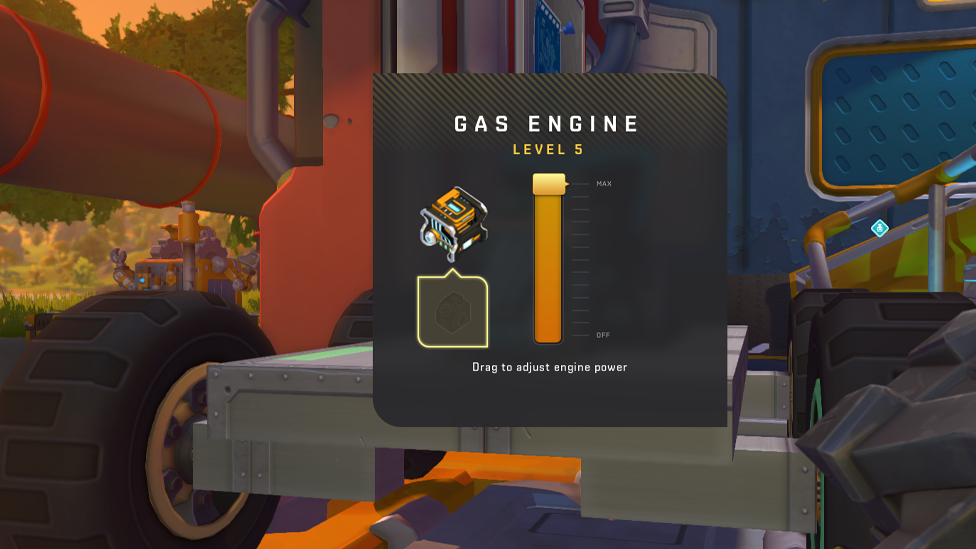
Gasoline is primarily used in Scrap Mechanic to power gasoline engines and thrusters. Most land vehicles need the right torque and speed, and gasoline engines are the way to go. Aerial and advanced builds utilize gasoline-powered thrusters to create flying machines and one-of-a-kind contraptions. However, gasoline can also be used in particular mechanical systems, like automated farming devices or machinery that needs rotational energy. Its versatility makes it one of the most valuable resources in the game, so players need to think about how to use it.
Optimizing Gasoline Usage
Scrap Mechanic's gameplay is very fuel efficient. Players can get the most out of gasoline usage by picking which engine best fits their builds. There are a variety of gasoline engines, with higher tiers of engines providing better performance and efficiency. These engines can be upgraded to use less gasoline. In addition, players can add logic systems to manage engine output, using only gasoline when needed. For instance, you can save a lot of fuel in the long run by shutting off engines when not in use using sensors or switches. By experimenting with engine configuration and fine-tuning designs, highly efficient machines that use very little gasoline could be produced.
Challenges in Managing Gasoline
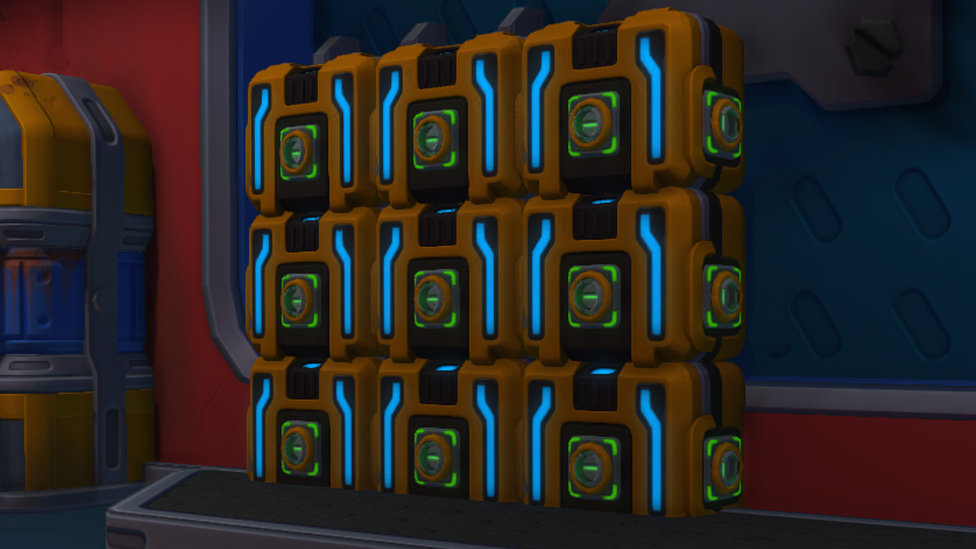
Scrap Mechanic is one of those games where players face one of the real challenges in ensuring they have a steady supply of gasoline. Exploring lands that have never been explored before to get crude oil or chemicals is dangerous because hostile bots patrol these places. It's a game of exploration that requires players to balance their need to explore with safety by ensuring they have all the tools and weapons they need to protect themselves. Another challenge is inventory management. Because gasoline occupies valuable inventory, players in Scrap mechanics must bring extra fuel or other items they deem necessary. These issues can be mitigated by building portable storage solutions or placing fuel reserves strategically at key locations.
FAQs
How do I make Gasoline in Scrap mechanics?
Craftbot is used to process crude oil and chemical components into gasoline. Both resources are available in specific areas of the game, such as underwater oil patches and chemical pools.
Where do I get crude oil in Scrap Mechanic?
Most crude oil is underwater near shorelines or shallow bodies of water. Players can efficiently collect it using vacuum pumps or manual collection tools.
How do you store gasoline well?
You can store gasoline in your inventory or in storage containers. To do this efficiently, you need to make a surplus and create units dedicated to vehicles or bases.
How do I make the most out of gas usage?
Upgrading engines, using logic systems to control engine output, and planning routes that minimize unnecessary fuel consumption can all optimize players' gasoline usage.
Conclusion
Gasoline is a cornerstone resource in Scrap Mechanic, used for everything from basic vehicles to advanced machinery. Understanding its crafting process, storage methods, and applications helps players provide a continuous fuel source and improve gameplay. Effective management of gasoline not only contributes to exploration, creativity, and strategic thinking in builds. Consider Scalacube's hosting services for all your Scrap Mechanic hosting needs. Scalacube boasts robust features and smooth performance to ensure a top-notch multiplayer experience for those who love Scrap Mechanic.