Scrap Mechanic Circuit Board
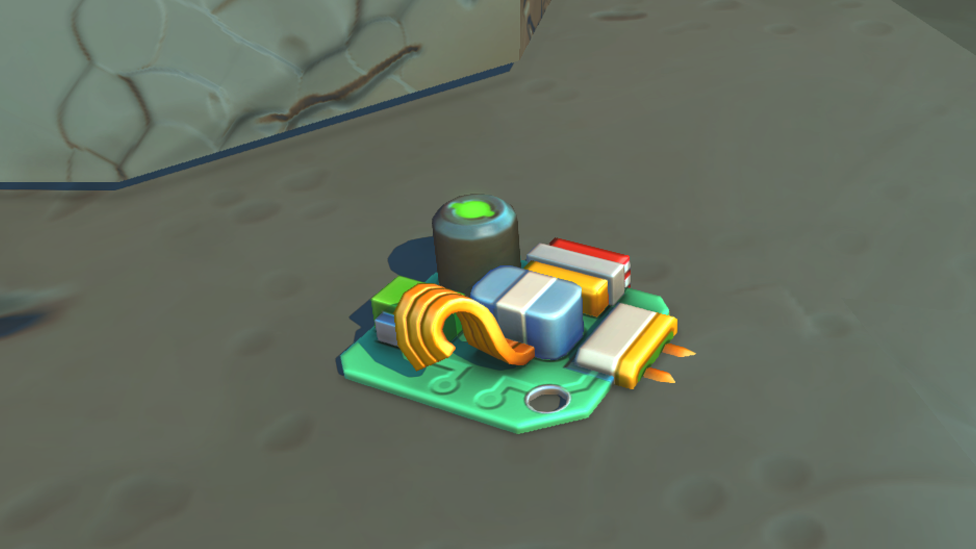
The Circuit Board is a critical part of the Scrap Mechanic sandbox game. It connects and controls different systems to power player creations and structures. Whether you're a new player or a veteran in the game, mastering the circuit board and its uses is essential to your complete creative potential.
What is The Circuit Board in Scrap Mechanic?
Make Your Own Scrap Mechanic Server
The circuit board is an important tool for building and controlling mechanical structures in Scrap Mechanic. This allows players to wire electrical connections and manage the power distribution of components. The circuit board is the central hub between all the elements, whether a simple automated gate or a sophisticated flying machine. Obtaining a circuit board is easy; they can be scraped, plundered from dead robots, or crafted with basic resources at crafting stations. For ambitious builders who wish to expand their creative repertoire, understanding how and where to get circuit boards consistently can make all the difference.
How to Obtain Circuit Boards
Various in-game means exist to buy circuit boards. The most common source is beating Farmbots and other hostile mechanical entities worldwide. They tend to drop circuit boards as loot when defeated. Often, you also find circuit boards in chests and other loot containers during exploring. Because circuit boards are always available, Scrap mechanic players can get access to them, so they will always have the things that they need to make their builds.
Importance of Circuit Boards in automation
Circuit boards usually shine when it comes to automating with them. With input devices (switches or sensors) connected to output devices (engines or bearings), players can generate self-operating machines with minimal manual intervention. For example, connecting a sensor to a door mechanism will automatically open the door when a player gets close. In the same way, a conveyor system to sort and convey materials seamlessly may be built with a series of circuit boards. If you know how to connect your inputs and outputs, the world of possibilities with Scrap mechanics is wide open.
Types of Inputs and Outputs that are Supported in a Circuit Board
A circuit board supports a variety of inputs and outputs, but each input/output serves a different purpose. The inputs include triggers such as switches, buttons, and sensors. In contrast, outputs are motors, pistons, and lights producing real mechanical or visual actions. Secondly, the circuit board's versatility comes from fitting many connections into one place, with intricate systems having many components that connect. One thing is certain: circuit boards are an essential tool, whether you're lighting up a base, controlling a robotic arm, or making a trap.
How to Craft Efficient Systems with Circuit Boards
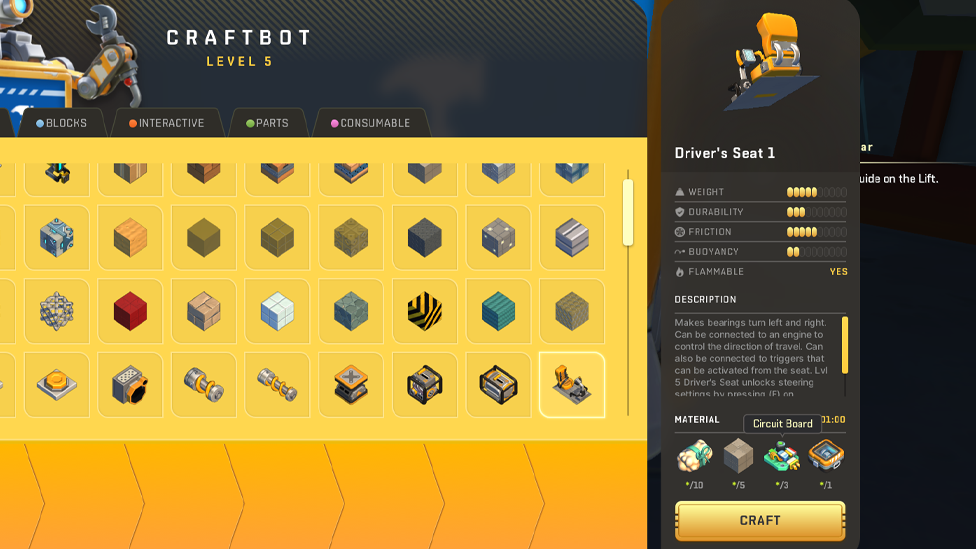
Working with circuit boards in Scrap Mechanic is all about efficiency. Loading more than the circuit board can take will cause delays and unpredictable behavior. To keep things running smoothly, logically splitting out connections over several circuit boards and following in the footsteps of a PCB layout package group-like components is a good idea. For example, the vehicle steering can be assigned to one circuit board, and the propulsion to another. This modular approach has the advantages of increased performance and resilience to troubleshooting failures and future upgrades.
Addressing Common Issues with Circuit Boards in Scrap Mechanic
Circuit boards are great, but they come with problems. Misconnections can cause system malfunction, improper signal flows, or overlapping commands. You have to check every connection and every little thing and then test the individual parts to see if you can fix the problem. It's also possible to use visual aids to differentiate overlapping circuits, such as painted wires, to help spot errors. With circuit-related problems in Scrap Mechanics, patience and meticulousness are key.
Applications of Circuit Boards
Circuit boards introduce seasoned players into an era of more advanced applications. Using logic gates and combining multiple circuit boards, we can create programmable systems that respond to certain conditions. For example, you can produce a vehicle that automatically shuns things that advance before it or a machine that classes things by size or type. Advanced applications require a good understanding of Scrap Mechanic and a creative approach to a problem, and the rewards for these applications are immensely satisfying.
Why circuit boards are crucial in Scrap Mechanic
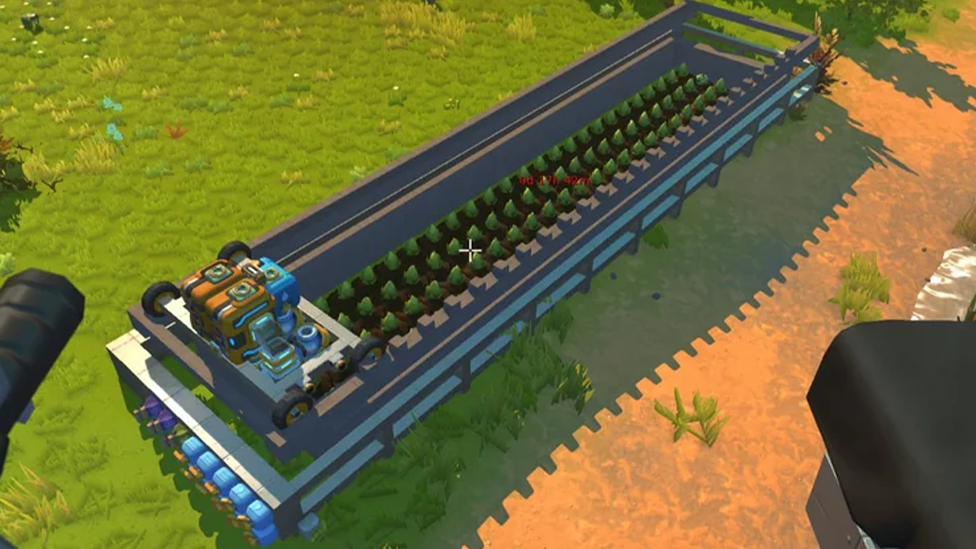
Circuit boards are too important. In short, they are the key to turning static builds into dynamic and interactive creations. If we were to exclude circuit boards, we would be tackling a path of creating very rudimentary designs that would include neither automation nor anything advanced. Learning to use them increases your builds and provides means to tackle problems more creatively, giving Scrap Mechanic more reward.
FAQs
What is a Circuit Board in Scrap Mechanic?
Circuit boards are core components that establish and dictate the process of connecting and controlling the mechanical and electrical parts of the creation, making them the backbone of automated creations.
How do you go about sourcing circuit boards?
The usual way to obtain circuit boards is to defeat farm bots and loot chests worldwide.
Why are circuit boards needed in Scrap Mechanic?
Circuit boards bring dynamism and automation to design, allowing the static to transcend and become an interactive, more efficient creation.
How are circuit boards used in sophisticated schemes?
Combining them with logic gates can make them useful for programmable systems, which would allow machines and complex automation tasks.
Conclusion
In Scrap Mechanic, circuit boards are engineers' unsung heroes of engineering. Giving Scrap Mechanic players precise control and seamless automation empowers them to bring their mechanical dreams to life. Circuit boards are present throughout the game, from opening doors to super-advanced machines that rival real-world robotics. However, understanding their mechanics, acquiring them efficiently, and realizing their potential will take your creations to the next level. Hosting your Scrap Mechanic server with Scalacube will give you a great multiplayer experience. Scalacube provides reliable performance and configurable features, making managing your Scrap Mechanic world fluid and easy.