All Oblivion Remastered Difficulty Levels Explained
When The Elder Scrolls IV: Oblivion originally shipped all those years ago in 2006, it had one difficulty slider that enabled players to set the extent to which the world of Cyrodiil would be tough or easy. Oblivion Remastered refines this system. Instead of a single tweakable bar, Oblivion Remastered holds five individual difficulty settings, a design feature that feels more akin to Skyrim, Starfield, and the rest of Bethesda's contemporary RPGs. These new Oblivion Remastered difficulty levels offer a more structured, more accessible format for those looking for a consistent challenge without having to constantly reset the slider. Whereas the system's character remains faithful to its beginnings, the incorporated Oblivion Remastered difficulty levels strike a balance between brutality and comfort. They allow players to experiment with the kind of experience they want, whether a casual quest with a focus on exploration and narrative, or a harsh experience that would have every hostile encounter potentially deadly.
The Evolution of Difficulty in Oblivion Remastered
Make Your Own game Server
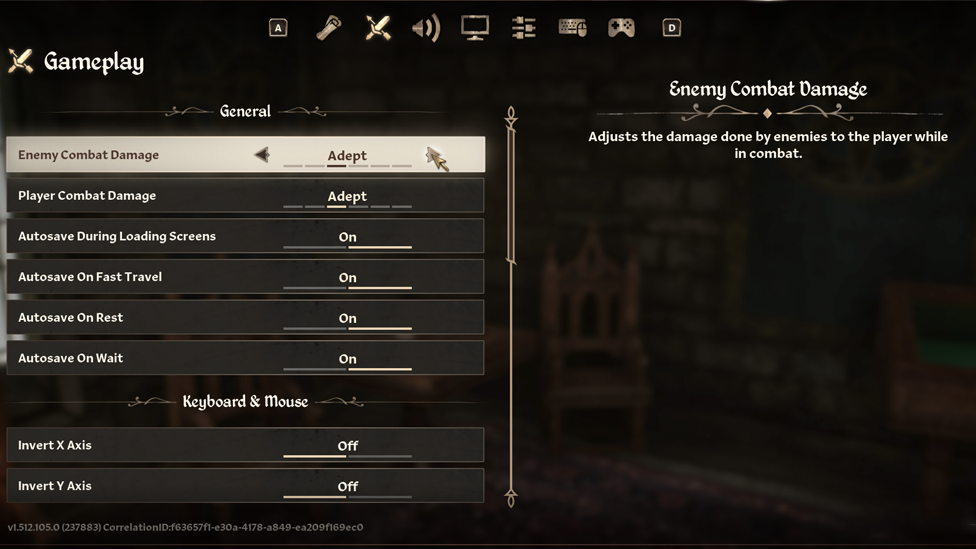
The original Oblivion had a difficulty slider that offered fine-grained but unexplained control. There were no numbers, no text labels. Players simply had no idea exactly how tough the enemies would be if they moved the slider all the way to the right. Oblivion Remastered does it better, more naturally, through five predetermined difficulty levels: Novice, Apprentice, Adept, Expert, and Master. Each level slightly alternates the proportion between player damage dealt and player damage received. Middle is Adept, which is the baseline that emulates the base setting of the original game.
At this level, both player damage and enemy damage are well-balanced; it's the best-balanced game version. Reducing to Novice or Apprentice makes fighting less harsh by enabling the player to deal more damage but receive less. On the opposite side are Expert and Master, which make combat much more difficult, pushing players to adapt, pay attention to their attack, and think strategically.
What’s most refreshing about this change is how natural it feels. Rather than manually fine-tuning difficulty mid-battle, the five-set system allows for clean experimentation. It’s easy to jump between settings and immediately feel the difference, and because Oblivion Remastered's difficulty settings can be adjusted at any time, you’re never locked into one experience.
How the Difficulty System Works
Despite having de-cluttered the interface, the behind-the-scenes mechanisms are not altered a great deal. The difficulty levels in Oblivion Remastered continue to function by modifying damage multipliers. Changing difficulty basically does nothing for enemy AI, spawn rates, or loot drops; it only changes how much you do and take back damage.
In Novice, enemies are very squishy and will take about six times the damage from your attacks, and your character will retaliate with a fraction of the usual damage. It's great for casual gamers or replaying Oblivion Remastered for its story, exploration, or nostalgia value. It's also great for those who wish to experiment with character builds or mess around with spellcraft without fear of dying instantly to bandits.
It all balances out at Adept. You and your enemies exchange blows in a more even manner, with a more balanced and faithful-to-design image of Oblivion Remastered. It's the best in-between for gamers who desire challenge but not boredom.
When you reach Expert and Master levels, though, the pendulum swings in the opposite direction. The highest levels have players doing considerably less damage while taking immensely more. On Expert, you'll feel the squeeze, as even regular enemies such as Marauders or Goblins can kill you in a couple of swings. On Master, each fight is literally a dance of death where positioning, timing on your spells, and setup become downright essential.
What Sets Difficulty in Oblivion Remastered Apart
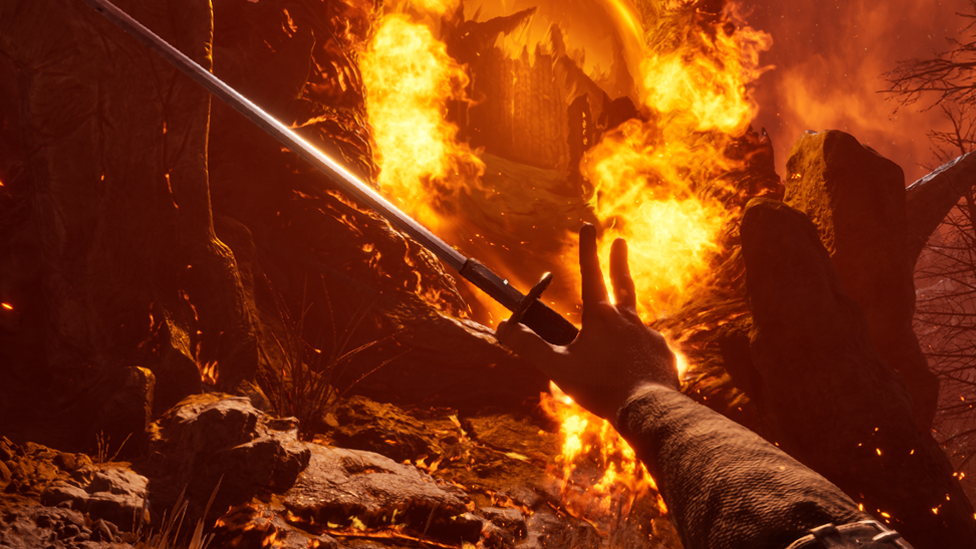
Oblivion Remastered is different from most modern RPGs due to how difficulty affects the game's leveling and skill systems. In Starfield or Skyrim, character level is almost an autopilot experience, while Oblivion uses a skill-based leveling system. Swinging a sword, blocking an attack, or displaying spells on screen will raise those particular skills the more they are done.
That is, harder Oblivion Remastered difficulty levels don't just make the game harder; they actually alter how you level. With higher damage it takes to die, your skills (like Blade, Destruction, or Marksman) will pop up faster because you're doing that more often. Harder difficulties become training tools in an odd but beneficial way. The added struggle you feel is better at leveling over the long term.
This cycle of feedback gives Oblivion Remastered a certain cadence. At lower difficulties, you rush through dungeons and quests, but you're alone. Higher ones, and you take more damage, but you also advance at a faster pace, stronger, faster, and wiser. It's lovely to see that this is the philosophy of the game reflected in you: the more difficult, the better the hero who emerges.
Getting the Right Difficulty Level
Selecting the appropriate setting from Oblivion Remastered difficulty settings also heavily relies on whether you are playing a certain type of player. If it's your first time playing Oblivion after all these years or going back there for the very first time, Adept would be the most suitable option.
It retains the balance and the pacing of the original launch but allows the remastered graphics and the better combat system to take center stage.
For players who like storylines, side quests, and world immersion over long, arduous combat, Apprentice will feel more at home. It lessens combat to make exploration nice and easy without removing the sense of danger entirely. Novice is ideal for beginners, kids, or anyone who would rather craft, alchemy, or explore than fight.
For veterans seeking a serious challenge, Expert and Master transform the game into a survival experience. Enemies become genuine threats, forcing players to think strategically and use every spell, potion, and enchantment wisely. On these settings, preparation is everything; you’ll need to plan your gear, manage stamina and magicka carefully, and use the environment to your advantage.
Experimentation is Encouraged
One of the best design choices in Oblivion Remastered is the way that you can alter difficulty settings at will. Bethesda said that there were no trophies or achievements tied to the difficulty level, so you are not going to be losing any information if you switch it up mid-game. The players can adjust while playing, lowering the difficulty to race through story-heavy sections and switch it up for boss battles or Oblivion Gate combat.
Since experimentation is fostered in the game, there isn't a "wrong" way to play. The players even roleplay difficulty adjustments as part of their character, reducing difficulty when their hero is injured or cursed and increasing difficulty when they heal or gain a good artifact.
The Best Method to Explore Cyrodiil
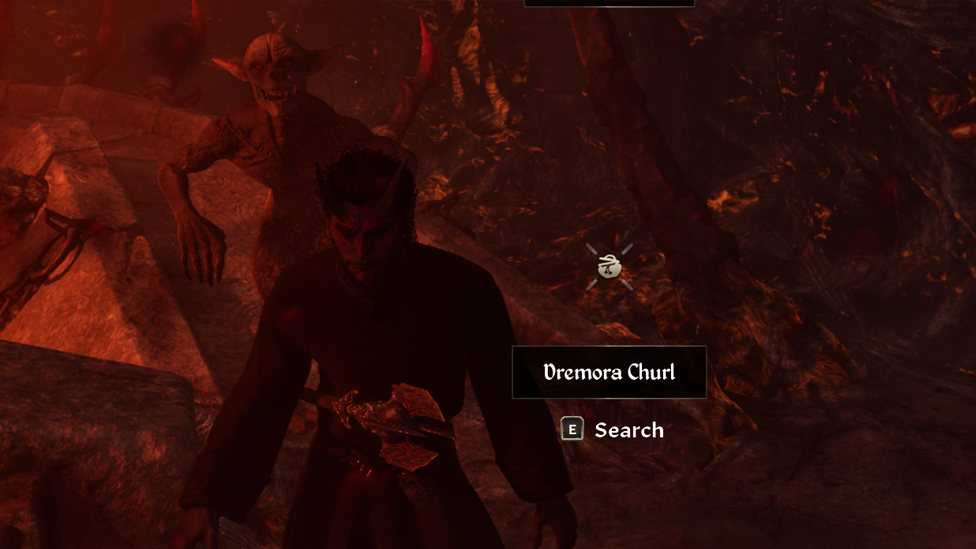
Ultimately, Oblivion Remastered's difficulty settings are in place to provide players with a sense of control. If you desire to be an unstoppable Daedric soldier cutting through waves of enemy soldiers or a dodgy adventurer clinging to its fingertips through every combat encounter, Cyrodiil has something to offer you.
The remaster's structural solution, five neatly defined levels of difficulty instead of a vague slider, is a welcome injection of accuracy to otherwise fantastic design. It updates Oblivion Remastered without stripping away anything that made the original so fantastic. If you’re unsure where to start, play the first few hours on Adept, fight through a cave or two, and see how it feels. If enemies seem too fragile, move up to Expert. If you’re dying too quickly, drop to Apprentice. Within a handful of encounters, you’ll find the perfect rhythm that matches your skill level and playstyle.
Since in Oblivion Remastered, challenge is not for bragging rights, it's designing your own quest. Challenge, mastery, or just sheer immersion into one of gaming's finest fantasy worlds, whatever your thing is, Cyrodiil's on your own terms.