Nightingale Realm Cards
Nightingale is an open-world survival game that sends players to a Victorian fantasy world, where they must explore multiple realms filled with many things to fight and explore. Nightingale is one of the most intriguing games thanks to their Realm Card as the main method to play around and personalize the world. Not only do these cards dictate the environment the players find themselves in, but they also change Nightingale's gameplay mechanics, resource access, and interaction with creatures and Nightingale NPCs. In this blog we will go in depth to understand the mechanics of Realm Cards and segregate them into Biome, Major and Minor cards.
What are Realm Cards in Nightingale?
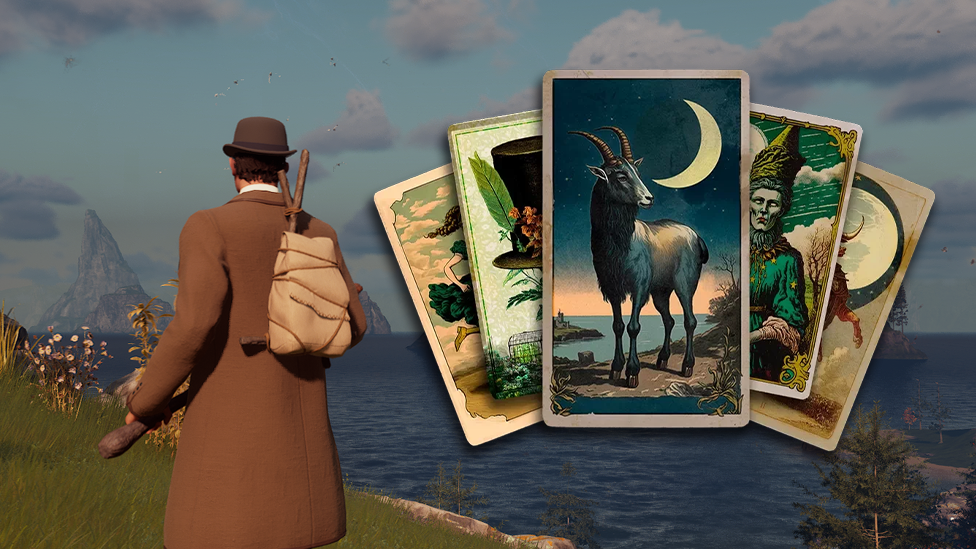
Make Your Own Nightingale Server
The Realm Cards are a vital bit of kit that enables players to create and alter realms in Nightingale. They can be classified into three distinct categories: Biome Realm Cards As the name suggests, the Biome Realm Cards specify the basic characteristics of the realm the Nightingale players will enter. Each card corresponds to a specific biome that changes the realm's landscape, wildlife, resources, and atmosphere. Currently, there are three Biome Realm Cards available: Forest: A place with a lush environment that has trees, wildlife, and resources. Swamp: A waterlogged portion of landscape with unusual flora and fauna. Desert: A landscape with barely accessible resources but also unique challenges. These cards in Nightingale are crucial to the characters who will set the stage for your adventures.
Major Realm Cards
Biome cards allow you to create a realm, and then the Major Realm Cards add some complexity to that realm. These determine everything from points of interest (POIs), NPCs present, and quests up to native difficulty levels. Some examples of Major Realm Cards include: Abeyance: A realm where you start a beginner-friendly style, opening simple quests. Antiquarian: Add new Factions such as Druids, while raising difficulty. Hunt: Cores an Apex creature for players to hunt. These cards are unlockable through completing challenges or quests in the game.
Minor Realm Cards
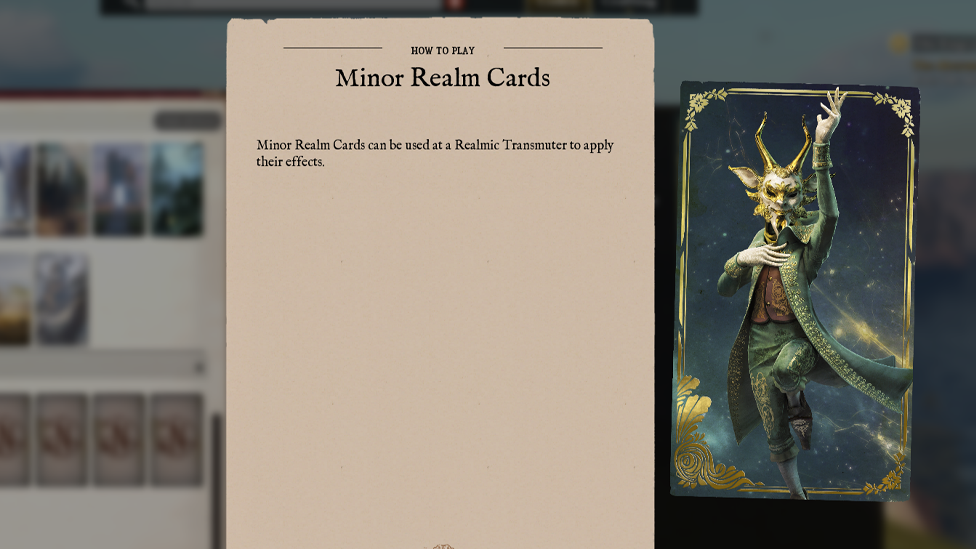
You will find even more control over your Nightingale gameplay experience with Minor Realm Cards. An existing realm can play with these cards to modify its mechanics temporarily. It can affect anything from changing gravity to calling a Blood Moon. Notable Minor Realm Cards include: Ghost: Improves stealth ability while making it deal less damage. Dragon's Hoard: Increase rarity of treasure but with damage resistance decreased. Trickster: Randomizes resource yields when harvested. These cards let you try different strategies and adjust your plan depending on your goal.
Crafting Realm Cards
In Nightingale, crafting is an extremely important aspect of the game as the players can make their own Realm Cards. The crafting process varies depending on the type of card being created: Biome Realm Card Crafting: Needs paper, ink, and essence. These resources can only be gathered either by exploration or finishing quests. Major Realm Card Crafting: Major cards are more complex than Biome cards; they often need a specific material obtained by defeating enemies or finishing challenges. Minor Realm Card Crafting: Like Major cards, you'll generally need to source unique items that drop in specific realms or through unique events. In Nightingale, progressing fast is important, and it all depends on your ability to craft these cards correctly.
Strategic Uses of Realm Cards
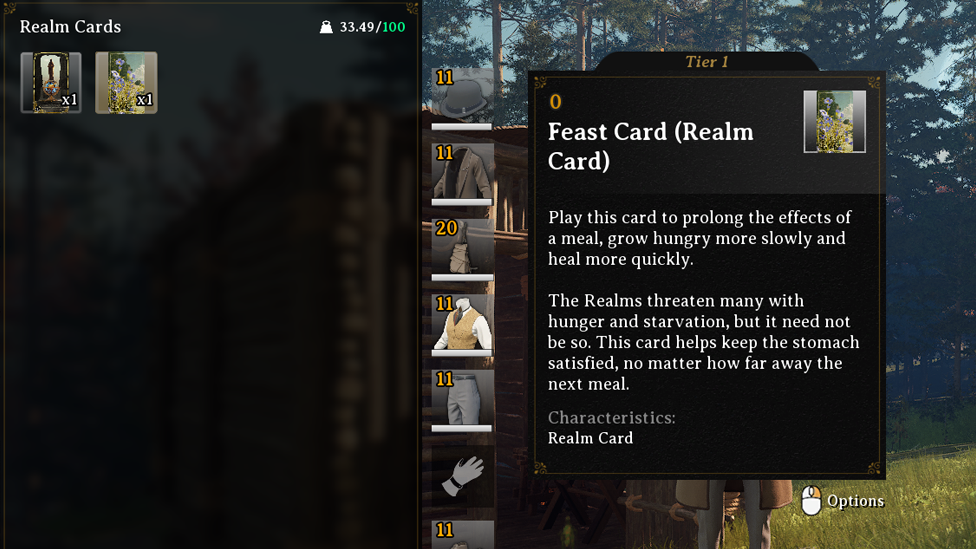
The strategic use of Realm Cards in Nightingale will make a big difference in the gameplay of Nightingale. Here are some tips on how to utilize them effectively: Choosing Biomes Wisely: Choose a Biome card based on your objectives, such as picking up resources or hunting animals. For example, if you needed wood for crafting, you would want a Forest biome. Leveraging Major Cards for Quests: Major Realm Cards allow you to reach the important quests and NPCs that will grant you valuable rewards and information that may become important for your progression in Nightingale. Experimenting with Minor Cards: Because Minor Realm Cards are temporary, you should use them when battling hard or if you need to gather resources more efficiently. Knowing how different sorts of cards complement each other allows players to adjust their Nightingale experiences to suit their playstyles.
FAQs
How many types of Realm Cards are in Nightingale?
There are three types of Realm Cards: Biome cards (to determine the landscape), Major cards (to set parameters like NPCs and quests), and Minor cards (to, essentially, modify how game mechanics work).
How can you get Realm cards?
Realm Cards can be acquired through exploration, defeating enemies, and completing quests, or the player can craft them using specific material.
Can you stack effects from Minor Realm Cards?
In the present version, effects from the Minor Realm Cards cannot be stacked, but the players can readily switch between them, depending on the changing circumstances in a realm.
What is the significance of crafting Major and Minor cards?
Players can also customize their gameplay experience by crafting Major and Minor cards. These cards give them access to different realms or allow them to modify an existing one to suit their needs.
Conclusion
The innovative way Nightingale portrays Realm Cards creates depth and excitement in the rest of the gameplay mechanics. When you learn how these cards function, everything from Biome cards that define the environment to Major and Minor cards that increase the gameplay, you can enhance your survival strategies through this wondrous world. While you wander around the many Nightingales to explore, try out various card combinations to find new adventures and challenges. In addition to mastering Realm cards in Nightingale, this game also benefits from Scalacube's Nightingale hosting services to enjoy a great gaming experience that perfectly fits a wonderful game world.