How To Gauge Monster Health In Monster Hunter Wilds
Yes, the age-old Monster Hunter tradition: swinging your sword, firing your bow, and chucking your bombs at a beast the size of a bus, with no health bar in sight. Monster Hunter Wilds doesn’t break that tradition. No, you still won’t be seeing an HP meter conveniently telling you when your target is almost toast.
But don’t worry, Capcom didn’t leave you completely in the dark. There are a bunch of clever in-game cues—both visual and behavioral—that let you know just how close you are to toppling that massive monster. If you're wondering when to sharpen your weapon and go all in, here’s your ultimate survival guide to reading the room... or rather, the monster.
The No-Health-Bar Life: Embrace the Chaos
Make Your Own game Server
In Monster Hunter Wilds, every hunt is a battle of endurance. Depending on the monster and how much you’ve prepped, fights can stretch from 10 minutes to nearly an hour. You’ll see those sweet, sweet damage numbers pop up with every successful hit, but those numbers mean squat without a reference point. That’s the point though—Monster Hunter is all about the thrill of uncertainty. But even in this brutal boss rush of a world, you’re not without tools. So let’s break down the big signs.
Telltale Signs Your Monster Is On Its Last Legs
Monster AI is smarter than ever in MH Wilds, and that includes how it physically reacts to damage. As you get deeper into the fight, keep an eye out for:
Frequent Trips & Faceplants
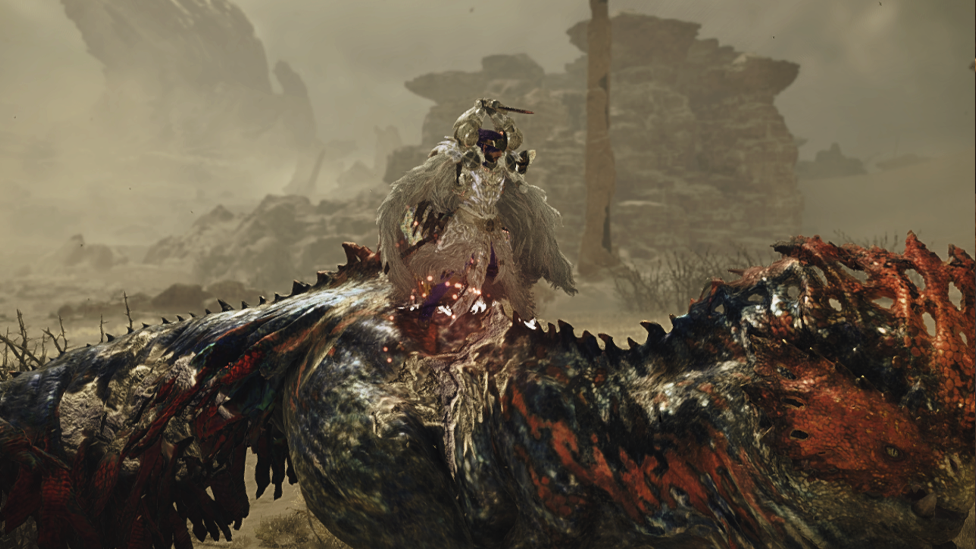
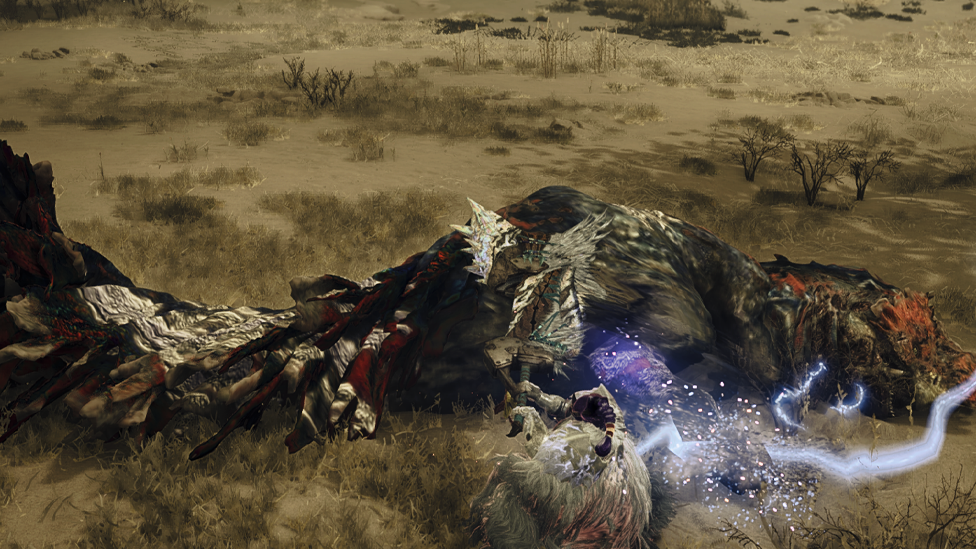
The more damage you dish out, the more often the monster stumbles. If it’s falling over every couple of combos, you’re definitely wearing it down.
The Classic Limp Away
When a monster starts limping while moving between zones, that's a universal signal in the MH universe: It’s dying. If it’s got a nest nearby, it’ll probably start dragging itself that way to sleep it off. Don’t let it. Be rude. Wake it up with a bomb.
Attack Desperation Mode
Watch for attacks that go from calculated swipes to full-blown flailing. Monsters get real desperate when they're low on Monster Hunter Wilds health. Their aggression spikes, they throw their whole bodies into attacks, and they get sloppy.
Parts Break Galore
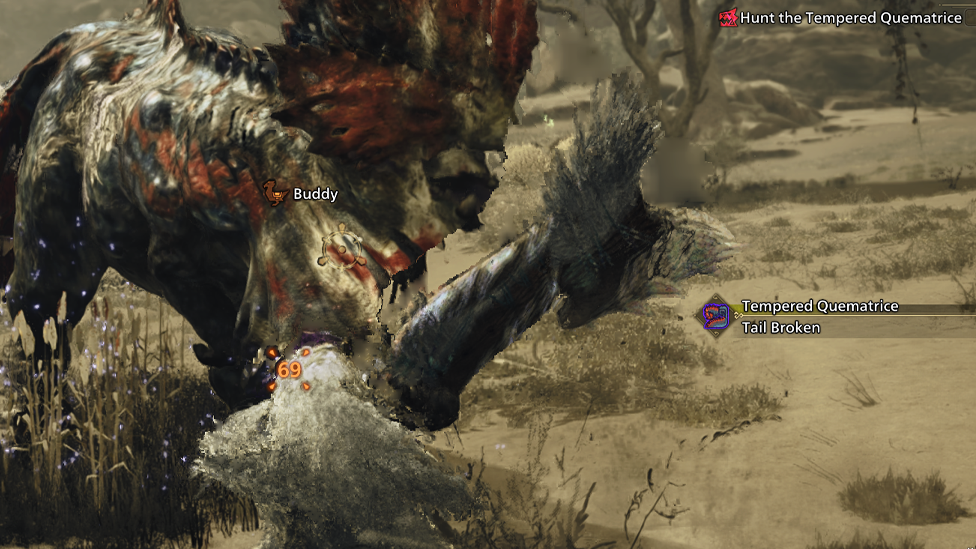
More broken parts = more pain. If claws, horns, or tails are snapping off like stale breadsticks, congrats—you’re close. And also: more loot!
Easier Stuns
If you’re whacking the head or hitting an elemental weakness and suddenly they’re getting stunned more often, that’s another clue the monster’s health is plummeting.
Your Palico Knows What’s Up
Never underestimate the power of your adorable little battle buddy. Your MH Wilds Palico Hints will actually tell you when the monster’s looking weak. When it says something like, “It’s barely hanging on!”—listen up. That usually means the monster is down to around 15-20% of its Monster Hunter Wilds health. Time to pull out all the stops.
The Heartbeat Mechanic – Literally
Let’s talk monster heartbeats in MH Wilds. Yes, you can literally track a monster’s pulse in Monster Hunter Wilds. Once you’ve locked onto a target, you’ll see a heartbeat monitor in the bottom-left corner of the screen, right below the monster’s icon.
How to Lock On:
- PlayStation: Press R3
- PC: Press B
- Xbox: Press Right Stick Once your Scoutflies are locked on, the pulse display shows you how that beastie’s doing. What the Pulse Means:
- Blue, Big Lines: Monster’s vibing. Still got a ton of HP.
- Yellow Lines: It’s starting to sweat. Mid to low health. It’s getting aggressive.
- Red Lines: Panic mode. It’s lashing out, and you’re close to victory. But Watch Out: If a monster manages to escape and hide, that heartbeat line can go back to blue as it calms down. But don’t be fooled—it hasn’t magically healed. Once you engage it again, that pulse will spike right back to red.
TL;DR – Read the Monster Like a Book
Forget fancy health bars. In Monster Hunter Wilds, you become a monster-whisperer. Learn the Monster Hunter Wilds signs, trust your Palico, watch the pulse, and observe how the monster fights. If it’s limping, thrashing, or trying to flee, you’re almost there. Finish strong and get those sweet drops.
Unleash Your Monster Hunter Within And Play Non-stop With Scalacube
Looking for next-level gameplay without lag or disconnects? Partnering with Scalacube’s dedicated game server can improve the experience even further. With customized configurations, guaranteed stable performance, and low-latency connections, Scalacube server hosting allows for smooth multiplayer matches. Not just that, with Scalacube you also get to enjoy full FTP access, mod support, DDoS protection, and 24/7 support—all at unbeatable prices.
Wrapping Up
You don’t need a fancy UI to know when a monster is down to its final breaths. Between body language, heartbeat cues, and good ol’ Palico advice, Monster Hunter Wilds gives you all the clues—you just gotta pay attention. So sharpen your blade, keep your eyes peeled, and trust your hunter instincts. Your next victory is just a heartbeat away.
FAQs
Can monsters regenerate health in Monster Hunter Wilds?
Nope! Once you deal damage, it sticks. However, they can calm down if they escape, which might make their heartbeat appear normal again—but their HP doesn’t regenerate.
How do I know if a monster is close to death without heartbeat tracking?
Look for limping, sloppy attack patterns, frequent stumbles, and broken parts. Also, trust your Palico—they’ll call it out when a monster’s nearly done.
Does the heartbeat always show up during fights?
Only if you’ve tracked and locked onto the monster first. You need to use Scoutflies and target it using the proper button for your platform. Once locked, you’ll see the pulse meter.