How to Carry Two Weapons in Monster Hunter Wilds
A new feature has been introduced in the enormous world of Monster Hunter Wilds: Hunters can carry and switch between two weapons during their hunting session. This feature provides unparalleled flexibility and strategic complexity, allowing users to modify their combat in real-time. This in-depth guide will discuss the process of carrying two weapons in Monster Hunter Wilds, switching between them, and how weapon combination strategies may be applied to enhance your hunting experience.
Granting the Double Weapon Feature
Make Your Own game Server
The double weapons-carrying feature is not accessible from the onset. The feature is obtained by players from the second primary story mission, "Village of Whispering Winds," after defeating Brute Wyvern Quematrice.
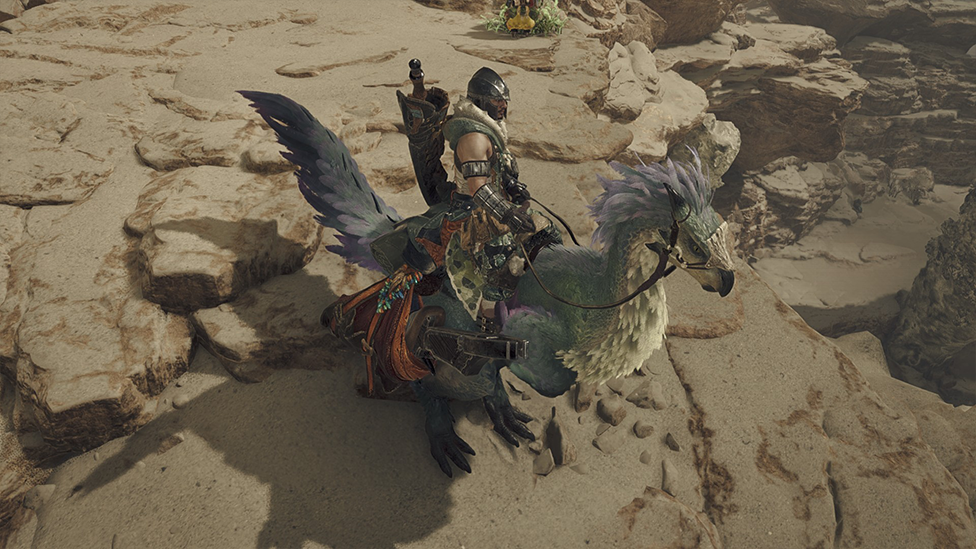
After the battle, head back to base camp, and you will receive an offering of Seikret mounts saddled with special saddles designed for Gemma from Y'sai. The saddles support a double weapon, thus allowing the feature of double carrying of Monster Hunter Wild weapons.
Attaching Primary and Secondary Weapons
This feature enables hunters to customize their choice of Monster Hunter Wild weapons depending on the challenges they can expect on their safaris. Players can utilize the dual weapon ability after unlocking it, using the procedure below to attach a primary and secondary weapon:
- To use the Equipment Menu, open your base camp or any pop-up camp and click the 'Change Equipment' button.
- Choose Weapons: Select your sub and primary weapons among the 14 weapons. Your main weapon is the one you start with, and the sub-weapon is stored in Seikret's saddle.
- Confirm Choice: Ensure that both weapons are available before going for a hunt.
Switching Weapons During a Hunt
Switching weapons during a safe moment is necessary because the action makes you vulnerable to monster attacks. To switch weapons in Monster Hunter Wilds smoothly:
- Mount Seikret: Press 'X' on PC or right D-Pad on console to call and mount Seikret.
- Start Weapon Swap: Mounted, press the set button (most likely the right D-Pad) to switch between your primary and secondary weapon.
- Resume Fight: Dismount and continue the hunt with your new weapon.
Mastering Weapon Switching in Monster Hunter Wilds Tips
Monster Hunter Wilds' dual-weapon carry and weapon switching adds another element of strategy to the game. However, hunters in Monster Hunter Wilds must learn to switch rapidly without interrupting the combat flow to reap the most from this functionality. Some of the most excellent tips for learning weapon switching are listed below.
Select Complementary Weapons
Pair weapons that offset each other's limitations (e.g., Long Sword for agility and Bowgun for range).
Preplan Your Switches
Don't switch in the middle of battles; switch during monster phases or when fleeing from monsters. Utilize environmental cover or distractions (e.g., Flash Pods) to create switching windows of safety. As Monster Hunter, Wild weapon switching entails mounting Seikret, so practice calling and mounting Seikret frequently. Increase Seikret's speed and stamina to reduce downtime on weapon switching.
Maximise Armor and Skills
Choose armor sets and skills that enhance both types of weapons (e.g., critical boost for melee and ranged weapons).
Train in Low-Risk Battles
Get a feel for weapon switching on more relaxed hunts or in Expedition Mode, and then apply it to more challenging monsters. Experiment with switching different Monster Hunter Wilds weapons and find the optimal combination for you.
Use Switching to Pass Monster Phases
Switch into a defensive weapon when a monster enters the rage phase to survive. Switch to a quicker weapon when a monster starts moving aggressively.
Strategic Weapon Combinations
The two-weapon configuration opens up an enormous amount of strategic possibilities. Among the effective weapon combinations that are notable are the following:
Long Sword + Light Bowgun
A combination that offers in-close agility and ranged flexibility. The Long Sword offers fast in-close combat in Monster Hunter Wild, while the Light Bowgun offers status-effect dealing at a distance. This combination makes it easy for hunters to transition between different combat scenarios.
Insect Glaive + Sword and Shield
Combining the aerial possibilities of the Insect Glaive with the balanced offense and defense of the Sword and Shield results in a flexible fighting style. The duo enables smooth switching between ground and air attacks, maximizing flexibility during hunts.
Great Sword + Hunting Horn
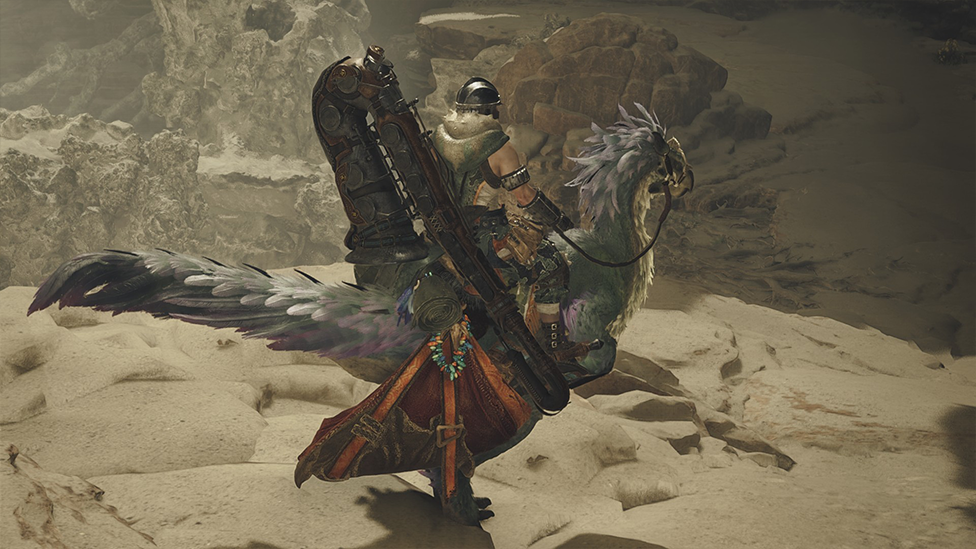
This combination combines the raw brute strength of the Great Sword and the defensive buffing capability of the Hunting Horn. Monster Hunter wilds hunters can deal massive damage and switch to deliver group-wide buffs, such as attack power or elemental resistances, and excel particularly at group play.
Dual Blades + Dual Blades
With two sets of Dual Blades and the secondary elemental attributes added, hunters in Monster Hunter Wilds can use most monster weaknesses without needing to camp. This is maximum damage in Monster Hunter Wild and flexibility in long fights.
Sword and Shield + Hunting Horn
This is support—and utility-oriented. The sword is drawn, which facilitates buffing the Hunting Horn. Thus, the play is balanced and supportive without sacrificing offense.
How Dual Weapons Encourage Team Play in Monster Hunter Wilds
With the feature of carrying and switching between two weapons in Monster Hunter Wilds, fresh multiplayer hunting tactics become possible. Hunters in Monster Hunter Wilds can change roles seamlessly, creating more dynamic and effective coordination of teammates.
Adjusting to Team Needs
A Monster Hunter Wilds hunter can switch between offense and support based on the team's needs. For instance, beginning with a Great Sword for damage and switching to a Hunting Horn for buffs when the team members require support. If a team member faints, switching to a defensive weapon such as a Lance or Sword and Shield can be used to hold the line while the team recovers.
Guarding Against More Monster Vulnerabilities
Two weapons of different statuses or elemental attacks allow a hunter to exploit fluctuating monster weaknesses without returning to base. Groups can coordinate weapon choice to mix status effects like paralysis or poison for increased crowd control.
Adding Crowd Control and Strategy
A ranged weapon hunter can switch to melee if the party requires a stagger-dominant battle. Switching the weapons gives a swift transition between the other forms of combat in Monster Hunter Wilds, with more synergistic player attack and positioning and party member attack and positioning.
Enhancing Team Defense
Switching to a defensive weapon, like Lance or Sword and Shield, can allow a hunter to guard teammates from massive damage in Monster Hunter Wilds. Defense weapon switching can allow time to heal or revive downed teammates.
Improving Hunt Efficiency
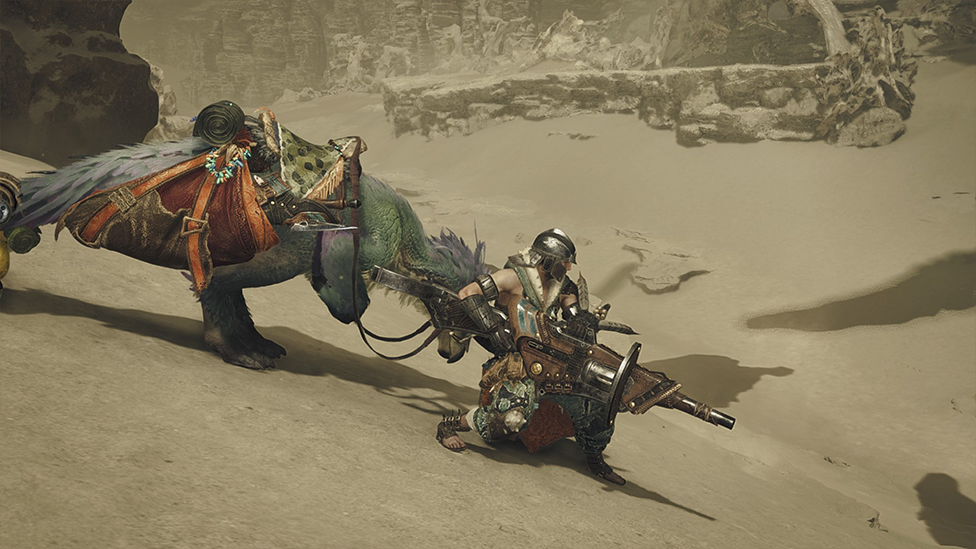
Weapon switching through different stages of combat in Monster Hunter Wild can allow a hunter to help in multiple ways, shortening hunt time. Players can make better attacks by switching between weapons that work with existing strategies.
Tactical Benefit of Dual Weapons
Having the option to utilize two weapons for hunts provides some tactical advantages:
- Elemental Versatility: When switching between different elemental attribute weapons, hunters can take advantage of fluctuating monster vulnerabilities during the middle of a fight.
- Status Effect Deployment: Switching between weapons that produce various status effects, like poisoning or paralysis, can manage the battlefield and allow for windows to attack.
- Pressure Management: Maintaining a lower-pressure secondary weapon with more outstanding sharpness reduces the frequent sharpening required, maintaining level pressure.
- Synergy: Balancing weapon usage to maximize the team's performance allows enhanced performance. Depending on the situation, weapons can contribute specialized support or damage in Monster Hunter Wild.
Drawbacks and Challenges of the Monster Hunter Wilds Dual Weapon System
The ability to carry weapons and switch back in Monster Hunter Wilds is convenient, but it also poses some challenges and drawbacks, which are detailed below. Awareness of the drawbacks allows one to fully utilize the feature while diminishing its impact.
- Weapon Swap Timing: Mounting with Seikret to swap weapons during a hunt exposes hunters to monster attacks if the timing is incorrect.
- Inventory Management: Handling two weapons means handling different amounts of sharpness, coatings, ammos, or phials, which is cumbersome.
- Skill Optimization: Armor skills and ornaments are usually optimized for a single type of weapon. Maintaining an optimal set that will work on both weapons is difficult.
- Learning Curve: Mastering two weapon types takes time and practice, particularly for newer players.
- Combat Flow Disruption: Mid-combat weapon switching can either disrupt combos or temporarily lose momentum, making it risky at full fighting potential.
- Weight and Stamina Impact: Having a secondary weapon affects stamina usage, especially for mobility weapons such as the Dual Blades or Insect Glaive.
- Limited Weapon Combos: Not all weapons are equal. Some combos will have more drawbacks than advantages.
- Seikret Dependence: Since weapon-swapping requires the mounting of Seikret, not having access to the mount in certain terrains or situations could hinder a hunter's versatility.
Using Reliable Servers Makes Things Easy
Scalacube servers enhance gameplay by providing the best experience on high-performance, low-latency servers. They enable lag-free, seamless multiplayer experiences necessary for successful coordinated hunts. Scalacube also offers dedicated server hosting, reducing disruptions and facilitating matchmaking. In addition, Scalacube's global server network ensures optimized connectivity, reducing ping issues for players worldwide. The intuitive control panel makes server management easy, even for beginners. Thanks to 24/7 technical support, players receive instant assistance, decreasing downtime.
FAQs
How Do Players Dual-wield Two Weapons in Monster Hunter Wilds?
After completing the second main story quest, Village of Whispering Winds, players can wield two weapons by killing the Brute Wyvern Quematrice. Then they receive special Saddles for Seikret mounts, which grant the ability to change weapons.
What Are the Advantages of Changing Weapons During a Hunt?
Weapon switching enables players to react to combat situations, exploit monster weaknesses, and alternate between offensive and defensive strategies. It also allows hunters to maximize elemental damage and status effects and improve cooperation in multiplayer hunts.
What Are Some Recommended Weapon Combinations for Dual Wielding?
A few of the good combos include Long Sword + Light Bowgun (range and speed), Insect Glaive + Sword and Shield (mobility and defense), and Great Sword + Hunting Horn (party buffs and high damage).
Conclusion
The introduction of the dual weapon system in Monster Hunter Wilds significantly alters how one hunts, providing the most freedom and strategic depth yet. With the understanding of weapon switching and armor-changing mechanics and strategic decision-making for synergy-based monster hunter wilds weapon selection, players can shape their style to every test of the wilds. Step into this revolution, elevate your hunts and become a master improviser in Monster Hunter Wilds' ever-evolving world. Challenges exist, but command over dual weapons can be very profitable. The players who discover how to circumvent them will be more efficient fighters during combat and more versatile hunters.