How Does Damage Calculation Work in Monster Hunter Wilds
Players new to Monster Hunter Wilds are often confused when they see the damage numbers on-screen. The big attack number shown in the weapon details menu doesn’t seem to match the floating damage values during combat. It’s a common source of confusion and the game doesn’t do a great job of explaining why. That’s because there’s a hidden damage calculation system running in the background. It uses various factors to modify the damage a weapon actually deals. This guide will break it all down in plain language to help players understand what’s really happening when they swing their weapon.
What Are Weapon Stats?
Make Your Own game Server
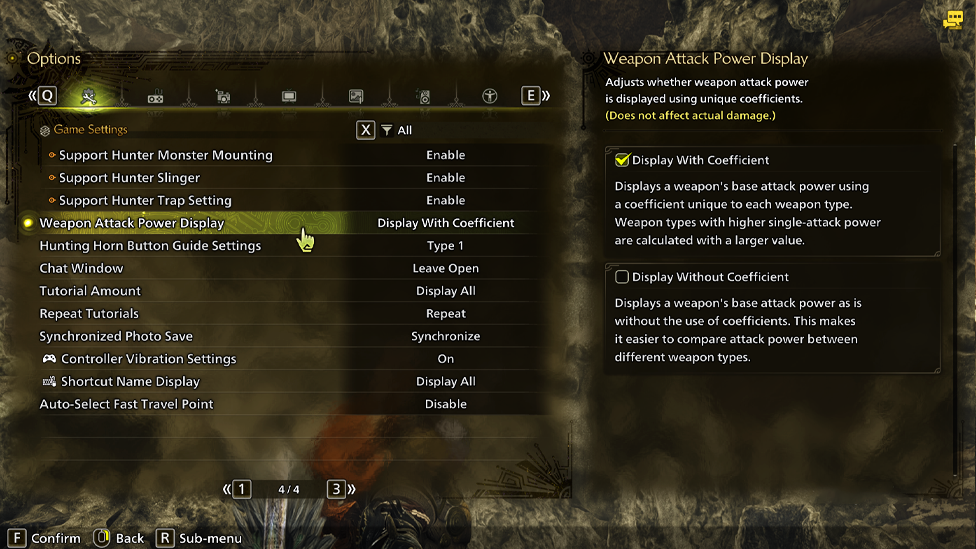
Every weapon in the game has three core attributes: Attack, Affinity, and Element. Attack is the raw damage stat. Affinity is the chance to land a critical hit. Element is either an elemental damage type (like Fire or Ice) or a status effect (like Poison or Paralysis). To use an example, let’s look at the Iron Katana I. This Long Sword has an attack value of 396, no affinity, and no elemental damage. That 396 might sound strong, but it’s a bloated number. It’s not the true damage stat. Monster Hunter Wilds has always multiplied true values by a hidden coefficient to make attack values look more impactful. Players can now change a setting in the menu to reveal the true damage number:
- Go to System > Options > Game Settings.
- Look for “Weapon Attack Power Display.”
- Switch it to “Display Without Coefficient.” After doing this, the Iron Katana I will show 120 as its real attack value. That number is the starting point for the damage formula.
Why Attacks Don’t Match the Number
Even after switching to the true attack value, players will notice that most swings don’t hit for 120. In fact, it’s common to see numbers in the 30–50 range. That’s because multiple modifiers apply when a weapon strikes a monster. These include:
- Motion value, which is a hidden value tied to each specific move in a weapon’s moveset.
- Sharpness, which affects how much damage the weapon deals and whether it bounces.
- Monster resistance, which determines how effective an attack is on different monster parts.
- Quest difficulty, which adjusts how tough monsters are depending on the rank.
- Rage status, which can make monsters take more or less damage based on their current state.
- Affinity, which can apply a bonus to critical hits if the weapon has any. Each of these plays a role in reducing the raw damage value to something that reflects the true impact of an attack.
Motion Value and How It Works
Motion value is one of the most important parts of the damage formula. Every attack in a weapon’s combo string has its own value. These range from around 0.1 to 1.0 depending on the weapon and attack. For example, if the Iron Katana I has a true attack of 120 and the motion value of a certain swing is 0.2, that attack will deal 24 raw damage. If the next swing in the combo has a motion value of 0.35, it will deal 42 damage. That’s before factoring in other modifiers like sharpness or monster resistances. Heavier weapons like the Great Sword have slower swings, but those swings have high motion values. Faster weapons like Dual Blades have quick attacks with lower motion values. This helps balance damage over time across all weapon types.
Monster Resistances and Breakpoints
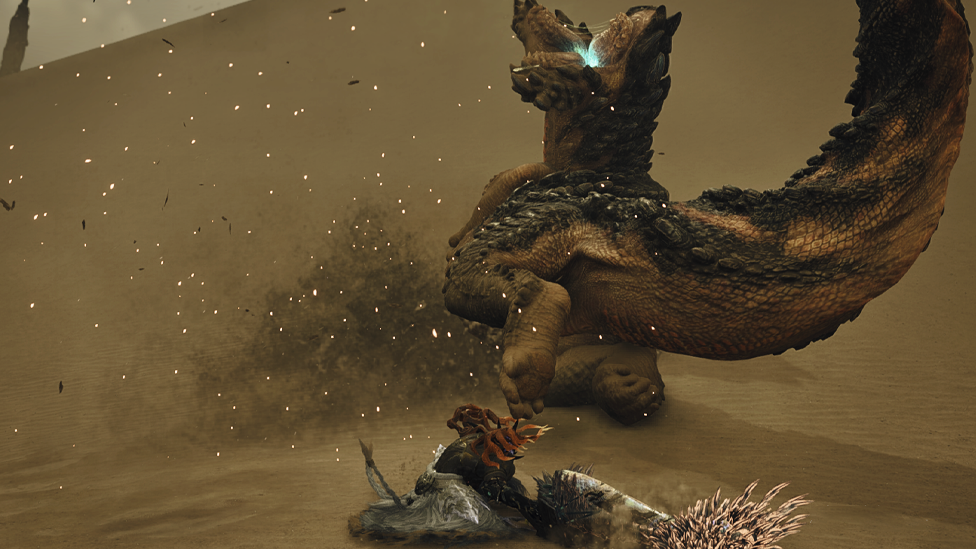
Not all parts of a monster are equal. Some are armored and resist damage. Others are soft spots that take more damage. Players can learn these values by checking the Large Monster Field Guide in the Start Menu. This guide shows how much damage blunt, cutting, or ranged attacks do to each body part. More stars mean more vulnerability. Targeting weak points is critical for maximizing damage. It also helps with breaking monster parts to earn more materials or trigger staggers during the fight.
Quest Difficulty and Scaling
As players progress into High Rank, they’ll face tougher versions of the same monsters they saw earlier. These aren’t just stronger, they’re also scaled to make fights more challenging. Their health pools are larger, and their defenses are higher. That means players might deal less damage in High Rank even when using better gear. This scaling is built into the formula and is another reason the floating numbers can be lower than expected.
Elemental Damage and How It’s Calculated
Elemental damage in Monster Hunter Wilds is calculated using a separate formula. It doesn’t mix with the raw damage formula. Instead, it’s layered on top after the physical damage is calculated. The elemental damage formula is: (Elemental Value ÷ 10) × Elemental Motion Value × Sharpness × Monster Weakness × Quest Difficulty × Rage Status There are a few key differences:
- Elemental motion values are more stable and usually hover near 1.0.
- Sharpness affects elemental damage differently than it does raw damage.
- Affinity does not apply to elemental damage unless the player has the Critical Element skill. Also, players can’t use the “Display Without Coefficient” toggle to reveal true elemental values. They’ll need to manually divide the listed value by 10.
Affinity and Critical Hits
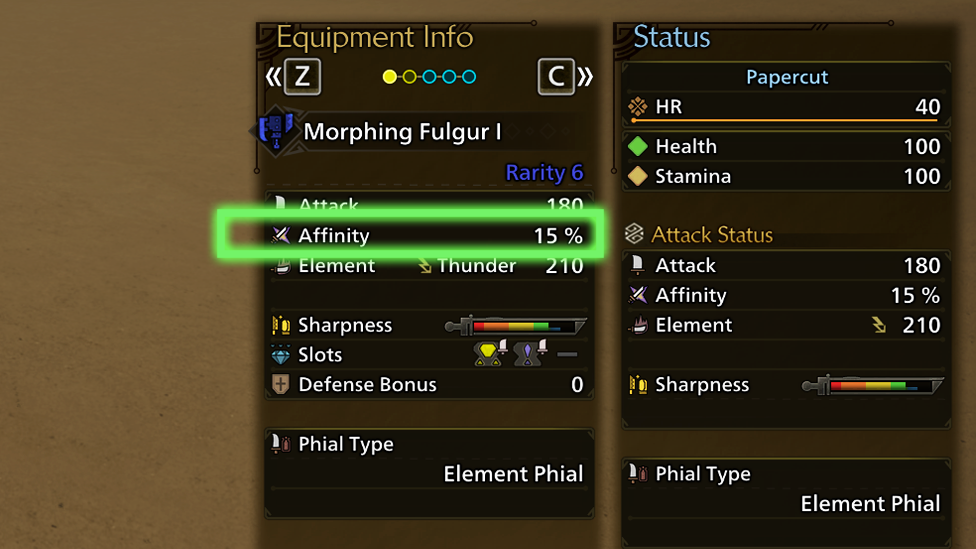
Affinity is the chance to deal a critical hit. If a weapon has 20% Affinity, then one in five attacks will likely be a critical hit. Critical hits boost raw damage by 25%. Affinity has no effect on elemental attacks unless paired with skills that specifically modify that behavior.
Setting Up a Monster Hunter Wilds Server on ScalaCube
For players who want to take their Monster Hunter Wilds experience online, setting up a server with ScalaCube is a great option. ScalaCube makes it easy to run custom or community-driven co-op sessions with stable performance and low ping. ScalaCube supports modding tools, private servers, and full control through a user-friendly dashboard. Players can use it to simulate endgame difficulty, train with friends, or experiment with weapons and damage without pressure.
FAQs
Why is my weapon’s damage lower than what the menu shows?
Because the listed value is inflated. The game uses a hidden coefficient and applies multiple modifiers like motion values, sharpness, and monster resistances.
What’s the best way to maximize my damage output?
Turn on the “Display Without Coefficient” setting. Then learn the motion values for your weapon, target weak monster parts, and keep your sharpness high.
Does critical hit chance apply to elemental damage?
No, unless you equip a skill like Critical Element. Otherwise, Affinity only affects raw physical damage.
How can I tell which monster parts are weak to my weapon?
Use the Monster Field Guide in the menu. It shows weaknesses based on damage type and element.
Conclusion
Understanding how the damage calculation system in Monster Hunter Wilds works is important to improving performance. It’s not just about the number on the weapon, it’s about how that number interacts with motion values, monster weaknesses, and other hidden mechanics. By learning these systems, players can get more out of every swing, shot, or slash.