Flayer Skill Explained in Monster Hunter Wilds
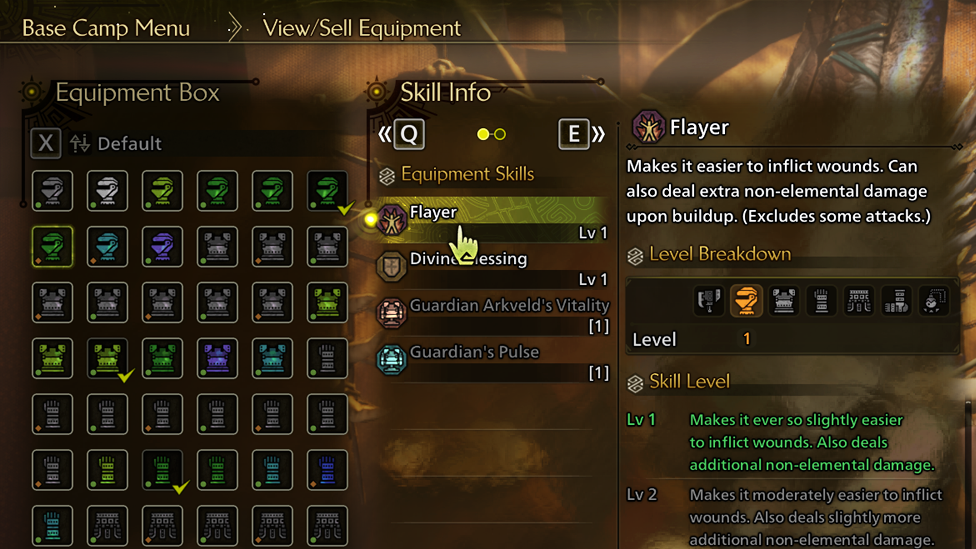
Monster Hunter Wilds is full of armor skills that sound powerful but leave you scratching your head when it comes to actual numbers. One of the biggest offenders? Flayer. Its in-game description sounds promising; “makes it easier to inflict wounds.” But it doesn’t tell you how much easier, or what that even means for your hunt. So if you’ve ever asked yourself what is Flayer Skill? Or wondered whether Flayer skill in Monster Hunter Wilds is actually worth the slot in your build or if it’s just a flashy distraction, you’re in the right place. Let’s break it down.
What Does Flayer Actually Do?
Make Your Own game Server
The Flayer skill is all about two things:
- Making Wounds easier to apply.
- Adding a random burst of raw (non-elemental) damage when attacking. In Monster Hunter Wilds, a Wound happens when you deal enough damage to a specific part of a monster’s body, think legs, wings, tail, etc.
When that damage threshold is reached, the monster gets a visual wound on that part, which usually makes it more vulnerable to follow-up hits. Flayer skill speeds up this process by lowering the amount of damage needed to create that wound. Here’s how Flayer skill scales across levels:
- Level 1: ~5% easier to wound
- Level 2: ~10% easier
- Level 3: ~15% easier
- Level 4: ~20% easier
- Level 5: ~30% easier At higher levels, this really does let you pop open wounds more consistently, especially if you’re using a heavy weapon. But there’s a catch.
Scar Tissue Mechanics
Once a part of the monster is wounded and then destroyed (like breaking a horn or tail), that area becomes scarred, and you can’t wound it again. This means you’re on a ticking clock. Every time you succeed at wounding, you’re also making that body part “used up” for the rest of the fight. So while Flayer lets you create wounds faster, you can run out of usable parts to wound pretty quickly, especially in long fights.
What About the Bonus Damage?
Now for the second feature of Flayer: random raw damage procs. When Flayer is active, some of your attacks will randomly trigger an extra burst of damage. This is non-elemental and scales with both the skill level and your weapon type.
For example, with a Level 5 Flayer and a weapon like the Greatsword, you might see a 300+ damage burst pop up out of nowhere. That’s a big bonus, especially since it doesn’t require hitting a wounded part. It just happens randomly on your attacks. However, it’s not as great with fast-hitting weapons like Dual Blades or Sword and Shield. The damage bursts seem tied more to individual heavy hits than to rapid, low-damage strikes, so Flayer skill naturally pairs better with slow, high-damage weapons.
Is Flayer Worth Using?
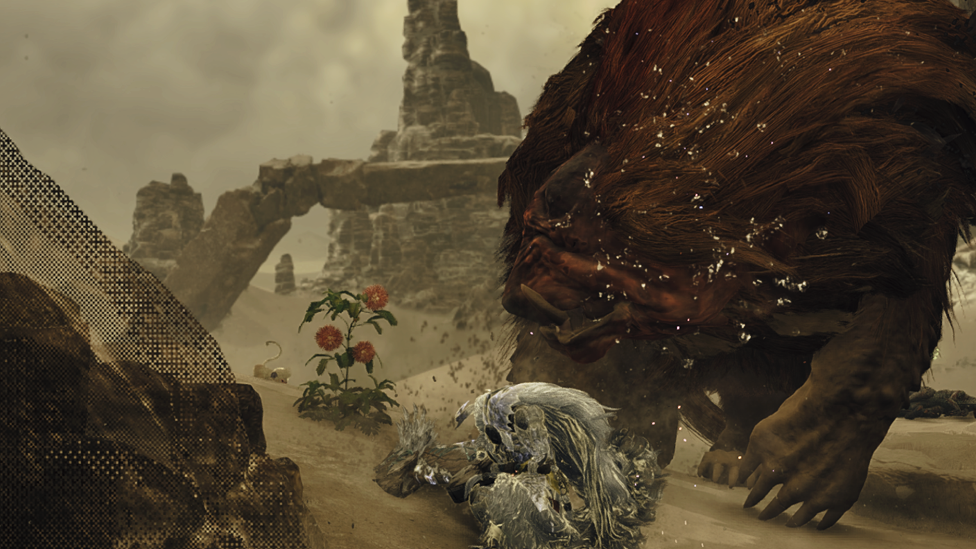
Honestly? It’s very situational. Flayer sounds amazing on paper: faster wounds, extra damage. But in practice, it’s kind of middle-of-the-road. It doesn’t synergize well with skills like Partbreaker unless you’re intentionally building for one or two quick part breaks. And it can’t compete with straight-up damage boosts like Attack Boost, Critical Eye, or Weakness Exploit in most endgame builds. The wound frequency increase is nice, but not game-changing. And the burst damage is flashy, but inconsistent. Flayer ends up being a jack-of-some-trades, but a master of none. If you’re just playing around or want something unique in a Greatsword or Hammer build, Flayer can be fun. But if you’re optimizing for meta-level hunts or multiplayer efficiency, there are simply better skills to slot in.
How to Get the Flayer Skill
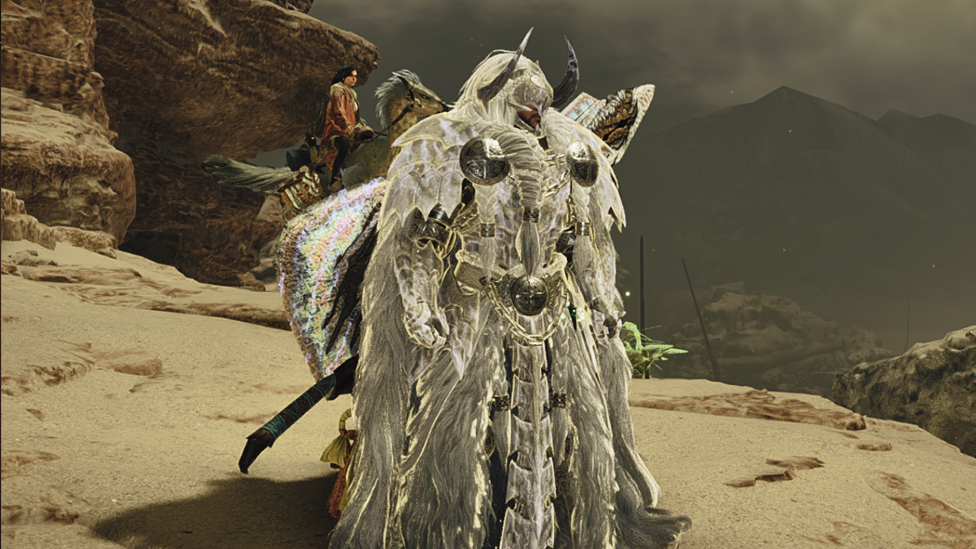
You’ll find Flayer on a number of armor pieces and accessories, especially from the Arkveld and Artian sets. It’s also available on Talismans and a specific Decoration. Armor with Flayer:
| Armor | Level |
|---|---|
| G Arkveld Helm | Level 1 |
| G Arkveld Mail | Level 1 |
| G Arkveld Vambraces | Level 1 |
| G Arkveld Helm Alpha | Level 1 |
| G Arkveld Mail Alpha | Level 2 |
| G Arkveld Coil Alpha | Level 2 |
| G Arkveld Helm Beta | Level 1 |
| G Arkveld Mail Beta | Level 1 |
| G Arkveld Coil Beta | Level 2 |
| Artian Helm Alpha | Level 1 |
| Artian Mail Alpha | Level 1 |
| Artian Vambraces Alpha | Level 1 |
| Artian Coil Alpha | Level 1 |
| Artian Greaves Alpha | Level 1 |
| King Beetle Elytra Alpha | Level 1 |
| King Beetle Crura Alpha | Level 1 |
Talismans:
- Chainblade Charm I – Level 1
- Chainblade Charm II – Level 2
Decorations:
- Flayer Jewel 3 – Level 1
Want the Arkveld look without committing to Flayer? No problem! Transmog it with Layered Armor and keep your current build intact.
Get the Best Multiplayer Game Hosting Experience With ScalaCube
If you’re thinking about playing Monster Hunter Wilds with friends, or just want a stable world to farm monsters on repeat, setting up a ScalaCube server is a great option. ScalaCube is a game server hosting platform that supports mods, world saves, and real-time configuration, even for games with large worlds or heavy CPU demand. Their control panel is super user-friendly, and you can adjust settings like monster spawn rate or difficulty if that ever becomes part of the PC modding scene.
FAQs
Does Flayer stack with Partbreaker?
Yes, but not in a game-breaking way. Flayer skill helps you wound faster, and Partbreaker helps deal more damage to those wounded parts. However, you’ll run into scar tissue limitations pretty quickly.
Is Flayer good for solo or multiplayer?
Flayer works better solo, especially with heavy weapons. In multiplayer, the window to apply wounds is smaller because everyone’s hitting the same spots, so you might not get the full benefit.
Can Flayer’s bonus damage trigger on every hit?
No, the burst damage is random. It seems to have a cooldown or internal trigger chance, and it favors weapons that land fewer but harder hits.
Does Flayer benefit elemental weapons?
Nope. The skill only boosts raw physical damage. Elemental attacks don’t trigger the burst, so you’re better off with another skill if you’re running an elemental build.
Conclusion
Flayer is one of those Monster Hunter Wilds skills that sounds better than it performs. It definitely has niche uses, especially for heavy weapon users who like dealing big, flashy hits and want to wound parts faster. But it’s not top-tier. And when you’re polishing your endgame loadout, “just okay” isn’t good enough. Still, if you love experimenting with builds or enjoy the aesthetic of the Arkveld or Artian gear, Flayer adds a bit of flavor to your hunts. Just don’t expect it to carry your damage output the way more straightforward skills will.